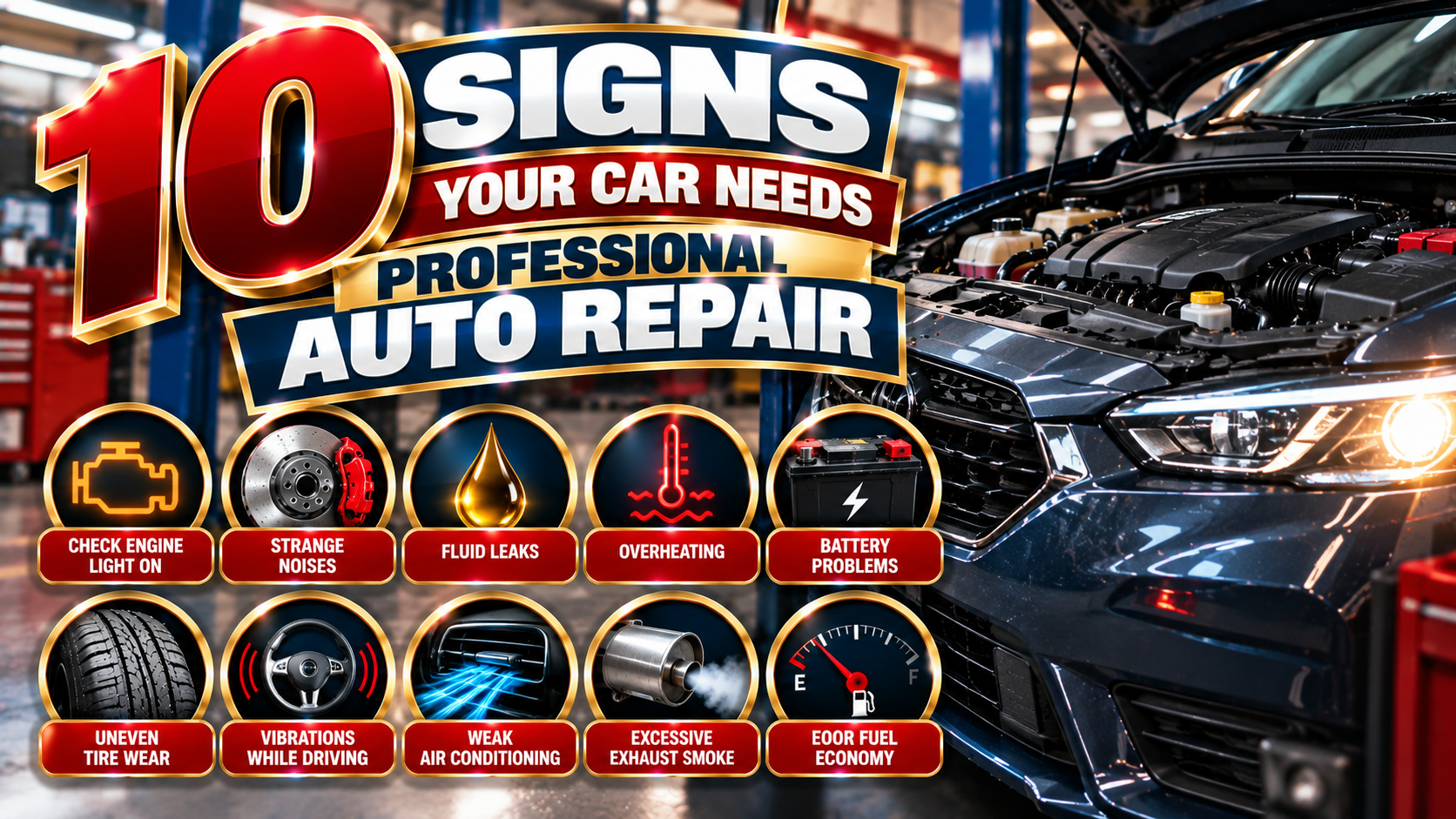
10 Signs Your Car Needs Professional Auto Repair
Learn the Warning Signs of Vehicle Problems and When to Schedule Auto Repair in Watkinsville, GA
Your vehicle is designed to provide reliable transportation, but even well-maintained cars eventually develop mechanical or electrical problems. While some issues appear suddenly, others begin with subtle warning signs that are easy to overlook.
Maybe your engine makes an unfamiliar noise. Perhaps your steering wheel vibrates, your brakes squeal, or a dashboard warning light appears. These symptoms may seem minor at first, but they can indicate problems that require professional attention.
Knowing when your vehicle needs repair can help you avoid unexpected breakdowns, protect important mechanical components, and maintain safe driving conditions.
At Car Craft of Watkinsville, we believe drivers should understand their vehicles and feel confident about their maintenance and repair decisions.
Whether you’re commuting through Watkinsville, traveling around Oconee County, or driving throughout Northeast Georgia, recognizing automotive warning signs early can make a significant difference.
In this guide, we’ll explain 10 signs your car needs professional auto repair, what may cause them, and when you should schedule a vehicle inspection.
1. Your Check Engine Light Comes On
One of the most recognizable signs that your vehicle needs attention is an illuminated check engine light.
Modern vehicles use onboard diagnostic systems to monitor engine operation, emissions-related components, and other important systems.
When the computer detects certain problems, it may store a diagnostic trouble code and illuminate the warning light.
Common Causes of a Check Engine Light
- Engine misfires
- Oxygen sensor problems
- Loose or damaged fuel cap
- Fuel system issues
- Catalytic converter efficiency problems
- Mass airflow sensor problems
- Evaporative emissions system leaks
- Other engine management faults
Steady vs. Flashing Check Engine Light
Steady Check Engine Light: Generally indicates a detected problem that should be diagnosed promptly.
Flashing Check Engine Light: Commonly indicates a severe engine misfire that could damage the catalytic converter.
Safety Warning: If your check engine light is flashing, reduce engine load, pull over safely, shut off the engine, and arrange professional assistance.
Why Professional Diagnostics Matter
A diagnostic trouble code does not always identify the exact failed component.
Professional technicians use scan tools, operating data, inspections, and additional testing to investigate the underlying problem.
Replacing parts based solely on a code can lead to unnecessary repairs.
2. Your Brakes Squeal, Grind, or Feel Different
Your braking system is one of your vehicle’s most important safety features.
Changes in brake noise, pedal feel, or stopping performance should never be ignored.
Common Brake Warning Signs
- Squealing when braking
- Grinding noises
- Soft or spongy brake pedal
- Brake pedal vibration
- Vehicle pulling when braking
- Increased stopping distance
- Brake warning lights
What Could Be Wrong?
Possible causes include worn brake pads, damaged rotors, sticking calipers, hydraulic system problems, or other mechanical issues.
Why You Shouldn’t Wait
Continuing to drive with severely worn brake pads can damage rotors and compromise braking performance.
Important: If your vehicle does not stop normally, your brake pedal sinks unusually far, or braking performance is significantly reduced, stop driving safely and arrange towing.
3. Your Engine Makes Unusual Noises
Engines naturally produce sound during operation, but new or unusual noises can indicate mechanical problems.
Pay attention to sounds that become louder, occur repeatedly, or appear alongside changes in vehicle performance.
Common Engine Noises and Possible Causes
Knocking: May be related to abnormal combustion, lubrication problems, or internal engine wear.
Ticking: Can result from normal injector operation on some vehicles, but persistent or new ticking may indicate valvetrain or lubrication concerns.
Squealing: May involve accessory belts, pulleys, or related components.
Rattling: Could indicate loose components, exhaust problems, or internal mechanical concerns.
Grinding: May involve rotating components or other mechanical faults.
When Is Engine Noise Serious?
A loud knocking, grinding, or sudden mechanical noise accompanied by low oil pressure, overheating, or reduced engine performance requires immediate attention.
Continuing to operate the engine could cause additional damage.
A professional inspection can help identify the source of the noise.
4. Your Vehicle Is Overheating
Engine overheating is a serious warning sign that should not be ignored.
Your vehicle’s cooling system regulates engine temperature during normal operation.
If the cooling system cannot maintain appropriate temperatures, important engine components may become damaged.
Common Causes of Engine Overheating
- Low coolant
- Coolant leaks
- Thermostat failure
- Water pump problems
- Radiator issues
- Cooling fan malfunction
- Damaged hoses
- Other engine or cooling system faults
Warning Signs
- Temperature gauge reading unusually high
- Engine temperature warning light
- Steam from under the hood
- Sweet-smelling odors
- Coolant leaking beneath the vehicle
- Reduced engine performance
What Should You Do?
If your vehicle begins overheating, pull over safely and shut off the engine.
Allow the engine to cool and arrange professional assistance.
Never remove a radiator cap or coolant pressure cap while the engine is hot.
Driving an overheating vehicle can cause severe engine damage.
5. Your Car Shakes or Vibrates While Driving
Unusual vehicle vibration can indicate problems involving tires, wheels, brakes, steering, suspension, or drivetrain components.
The conditions under which vibration occurs can provide useful diagnostic clues.
Vibration at Highway Speeds
Possible causes include tire imbalance, tire damage, bent wheels, or suspension problems.
Vibration When Braking
Brake rotor thickness variation, uneven pad deposits, or related mechanical issues may contribute to vibration.
Vibration During Acceleration
Certain drivetrain, engine, or mounting problems can cause vibration under acceleration.
Vibration While Idling
Engine misfires, worn mounts, or other engine performance problems may contribute to rough idling.
Why Professional Inspection Matters
Not every vibration requires the same repair.
Accurate diagnosis helps determine whether the problem involves tire balancing, wheel alignment, brake components, suspension parts, or another system.
6. Your Vehicle Pulls to One Side
Your vehicle should generally maintain predictable directional control on a reasonably level road.
If it consistently pulls left or right, a mechanical or tire-related problem may be present.
Possible Causes
- Incorrect wheel alignment
- Unequal tire pressure
- Tire-related pulling
- Worn steering components
- Suspension problems
- Brake caliper issues
What Should You Look For?
- Steering wheel off-center
- Uneven tire wear
- Vehicle drifting consistently
- Pulling that becomes worse during braking
- Unusual steering response
Why It Matters
Steering and alignment problems can contribute to tire wear and reduced handling predictability.
A professional inspection can help identify the cause.
7. You Notice Fluid Leaks Beneath Your Car
Your vehicle relies on several fluids to operate properly.
A visible fluid leak may indicate a problem that requires professional repair.
Common Automotive Fluid Leaks
Engine Oil: Often appears brown or black and may leave oily spots beneath the engine.
Coolant: May appear in various colors depending on the formulation and can have a sweet odor.
Transmission Fluid: Appearance varies by fluid type and condition.
Brake Fluid: May appear clear to amber and can leak near brake components or hydraulic connections.
Power Steering Fluid: Used in certain hydraulic steering systems.
Is Every Puddle Under Your Car a Problem?
No.
Clear water dripping beneath a vehicle after using the air conditioning is often normal condensation.
However, oily, colored, or recurring fluid leaks should be investigated.
Why Leaks Shouldn’t Be Ignored
Low fluid levels can affect lubrication, cooling, braking, and other important vehicle functions.
Safety Warning: If you suspect a brake fluid leak, significant engine oil loss, or rapid coolant loss, avoid driving until the vehicle has been evaluated.
8. Your Car Is Difficult to Start
A vehicle that struggles to start may have a battery, starter, charging system, fuel delivery, or engine management problem.
Common Starting Problems
- Slow engine cranking
- Clicking when turning the key
- Engine cranking without starting
- Intermittent starting failure
- Vehicle requiring frequent jump-starts
- Starting difficulty after sitting overnight
Possible Causes
Weak Battery: May not deliver sufficient starting power.
Starter Problems: May prevent the engine from cranking properly.
Charging System Problems: May leave the battery undercharged.
Fuel System Problems: May interfere with fuel delivery.
Ignition or Engine Management Problems: May prevent proper combustion.
Why You Need an Accurate Diagnosis
A vehicle that will not start does not automatically need a new battery.
Professional battery, charging system, and starting system testing can help identify the actual cause.
9. Your Vehicle Has Lost Power or Performance
If your vehicle no longer accelerates normally or feels sluggish, a mechanical or electronic problem may be affecting performance.
Common Symptoms
- Slow acceleration
- Hesitation
- Engine misfires
- Rough idling
- Stalling
- Reduced power
- Poor throttle response
Possible Causes
- Ignition system problems
- Fuel delivery issues
- Air intake problems
- Sensor malfunctions
- Exhaust restrictions
- Transmission problems
- Other engine-related faults
Why Reduced Power Matters
Loss of power can make merging, passing, and navigating traffic more difficult.
Some vehicles also enter a reduced-power operating mode when the computer detects certain faults.
If power loss is sudden or severe, stop driving safely and arrange professional assistance.
10. You Smell Something Unusual While Driving
Unusual odors can provide important clues about vehicle problems.
Certain smells may indicate fluid leaks, overheating components, or electrical issues.
Common Automotive Odors
Burning Oil Smell: May indicate oil leaking onto hot engine or exhaust components.
Sweet Smell: May be associated with coolant leaks.
Burning Rubber Smell: Could involve a slipping belt, overheated component, or another mechanical problem.
Burning Electrical Smell: May indicate overheated wiring or electrical components.
Rotten Egg Smell: May be associated with exhaust or emissions-related problems, although the cause requires diagnosis.
Fuel Smell: May indicate a fuel system leak or another fuel-related concern.
When Should You Stop Driving?
If you notice a strong fuel smell, smoke, burning electrical odor, or signs of an active fire, stop in a safe location, shut off the engine, move away from the vehicle, and seek appropriate emergency assistance.
Do not continue driving with symptoms that suggest an immediate safety hazard.
Quick Reference: 10 Signs Your Car Needs Professional Auto Repair
| Warning Sign | Possible Problem |
|---|---|
| Check engine light | Engine management or emissions-related fault |
| Brake noises or pedal changes | Brake wear or hydraulic problems |
| Unusual engine noises | Mechanical or lubrication concerns |
| Engine overheating | Cooling system malfunction |
| Shaking or vibration | Tire, wheel, brake, suspension, or drivetrain problem |
| Vehicle pulling | Alignment, tire, brake, or steering issue |
| Fluid leaks | Engine, cooling, transmission, or hydraulic system leak |
| Hard starting | Battery, starter, charging, fuel, or ignition problem |
| Loss of power | Engine, fuel, ignition, or transmission fault |
| Unusual odors | Fluid leaks, overheating, exhaust, or electrical problems |
These symptoms are starting points for diagnosis rather than proof that a particular component has failed.
Which Car Problems Require Immediate Attention?
Some automotive problems can be scheduled for prompt inspection, while others may make a vehicle unsafe to operate.
Stop Driving Safely and Seek Assistance If You Experience:
- Flashing check engine light with severe misfiring
- Engine overheating
- Low oil pressure warning
- Significant loss of braking performance
- Sudden loss of steering control
- Severe tire damage
- Strong fuel odor
- Smoke or signs of fire
- Loud mechanical noises accompanied by serious performance changes
If your vehicle is unsafe to drive, arrange towing rather than attempting to reach a repair shop.
Can Small Car Problems Turn Into Expensive Repairs?
Yes.
Some mechanical problems become more serious when ignored.
Examples
Small Coolant Leak: Continued coolant loss may eventually cause engine overheating.
Worn Brake Pads: Severe wear may damage brake rotors and other components.
Low Engine Oil: Insufficient lubrication can contribute to internal engine damage.
Uneven Tire Wear: An unresolved alignment or suspension problem can shorten tire life.
Weak Battery: A failing battery may eventually leave you stranded.
Not every small symptom leads to major damage, but early inspection can help prevent avoidable complications.
How Often Should You Have Your Vehicle Inspected?
Inspection needs vary depending on your vehicle’s age, mileage, maintenance schedule, and driving conditions.
Many drivers benefit from having important systems checked during routine maintenance visits.
Components Worth Monitoring
- Tires
- Brakes
- Battery
- Cooling system
- Engine oil
- Belts and hoses
- Steering
- Suspension
- Exterior lights
- Fluid leaks
If your vehicle develops unusual symptoms between scheduled maintenance appointments, arrange an inspection rather than waiting for the next oil change.
Why Professional Auto Diagnostics Matter
Modern vehicles contain complex mechanical and electronic systems.
A single symptom can have multiple possible causes.
For example, poor acceleration might result from a fuel system problem, ignition fault, sensor issue, or transmission concern.
Professional technicians use diagnostic tools, inspections, measurements, and appropriate testing procedures to identify the underlying problem.
Benefits of Professional Diagnosis
- Helps identify the actual cause
- Reduces unnecessary parts replacement
- Supports appropriate repair recommendations
- Helps uncover related mechanical problems
- Provides a clearer understanding of vehicle condition
A diagnostic scan is useful, but reading a trouble code alone does not always establish which repair is needed.
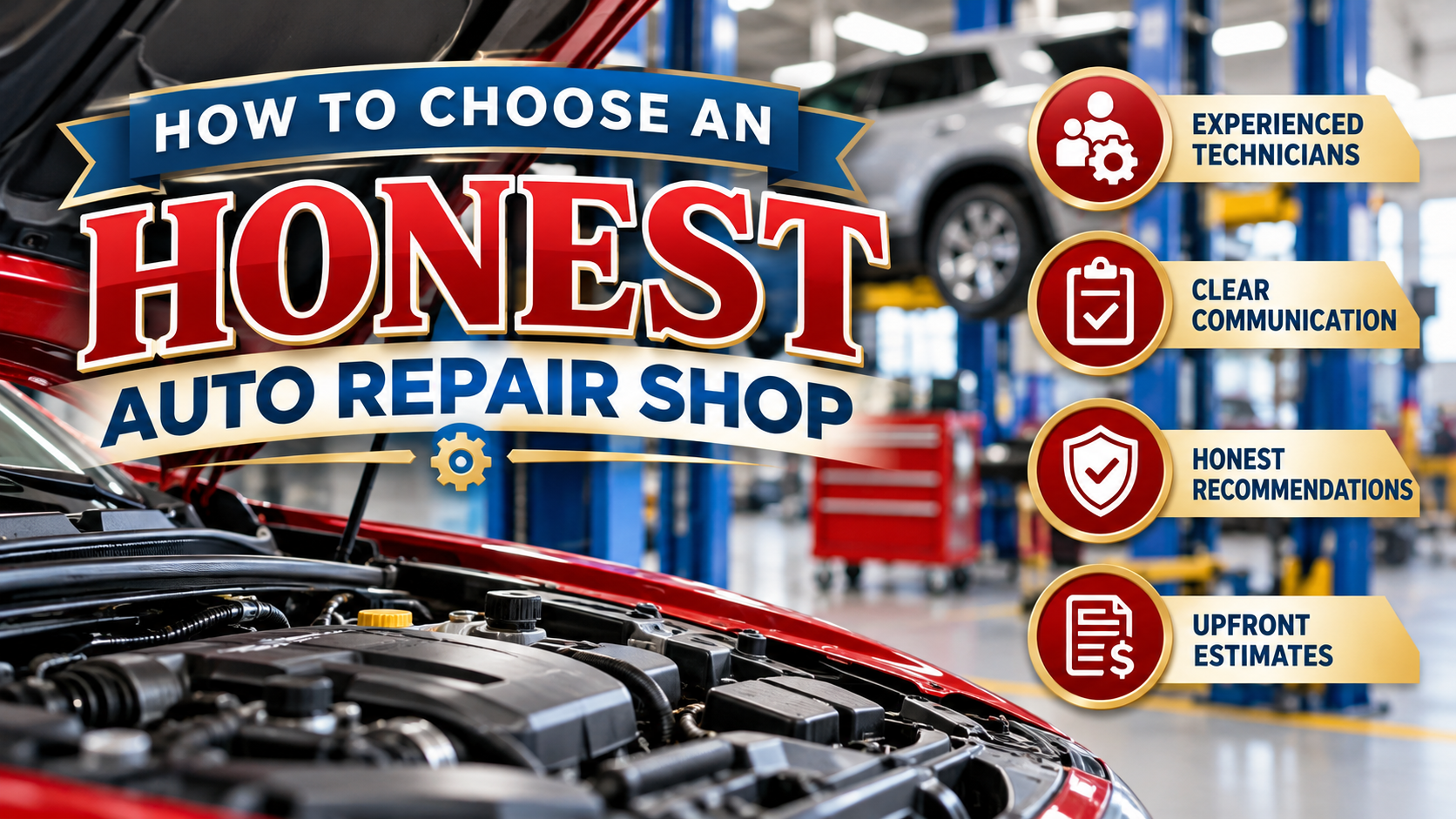
How to Choose an Honest Auto Repair Shop
When your vehicle needs professional repair, choosing the right automotive service provider is important.
Look for a repair shop that values:
- Clear communication
- Accurate diagnosis
- Upfront estimates
- Experienced technicians
- Quality workmanship
- Honest recommendations
- Explanations of necessary repairs
- Respect for customer decisions
A trustworthy repair shop should help you understand the problem and explain the recommended service.
Why Vehicle Maintenance Matters for Watkinsville, GA Drivers
Drivers throughout Watkinsville, Oconee County, Bishop, Bogart, and surrounding Northeast Georgia communities depend on reliable transportation.
Local driving conditions can also affect vehicle maintenance needs.
Georgia Summer Heat
High temperatures can expose cooling system weaknesses and accelerate battery deterioration.
Stop-and-Go Traffic
Frequent braking and acceleration may contribute to brake wear and other maintenance demands.
Potholes and Uneven Roads
Road impacts can damage tires, wheels, steering components, and suspension parts.
Highway Driving
Long trips can reveal vibration, tire, cooling system, or engine performance problems.
High-Mileage Vehicles
Older vehicles may experience increasing wear involving belts, hoses, seals, sensors, and other components.
Routine maintenance and timely repairs can help drivers manage these challenges.
Professional Auto Repair in Watkinsville, GA
If your vehicle is making unusual noises, displaying warning lights, leaking fluids, or driving differently than normal, professional inspection can help identify the problem.
At Car Craft of Watkinsville, our automotive maintenance and repair services help drivers address a wide range of vehicle concerns.
From engine diagnostics and brake repair to cooling system service, battery testing, and wheel alignment, our goal is to help customers understand their vehicle’s condition and make informed repair decisions.
Trust Car Craft of Watkinsville for Honest Auto Repair
At Car Craft of Watkinsville, we’re proud to serve drivers throughout Watkinsville, Oconee County, and surrounding Northeast Georgia communities.
Our family-owned automotive repair shop is committed to providing honest recommendations, upfront estimates, clear communication, and quality workmanship.
Our experienced, ASE-certified technicians provide automotive maintenance and repair services, including:
- Diagnostic Services
- Engine Repair
- Brake Repair
- Cooling System Repair
- Coolant Flush Services
- Car Battery Testing & Replacement
- Starter Repair & Replacement
- Wheel Alignment
- Tire Rotation & Balancing
- Oil Change Services
- Car AC Repair
- Vehicle Safety Inspections
We believe customers deserve accurate information about their vehicles without unnecessary repair recommendations.
Is Your Vehicle Showing Signs It Needs Repair?
Don’t ignore unusual noises, warning lights, fluid leaks, vibrations, or changes in vehicle performance.
Recognizing problems early and scheduling professional service can help protect your vehicle and reduce the risk of unexpected breakdowns.
Contact Car Craft of Watkinsville today to schedule professional auto repair or a vehicle inspection in Watkinsville, GA.
Let our experienced automotive team help keep your vehicle running safely and reliably.