
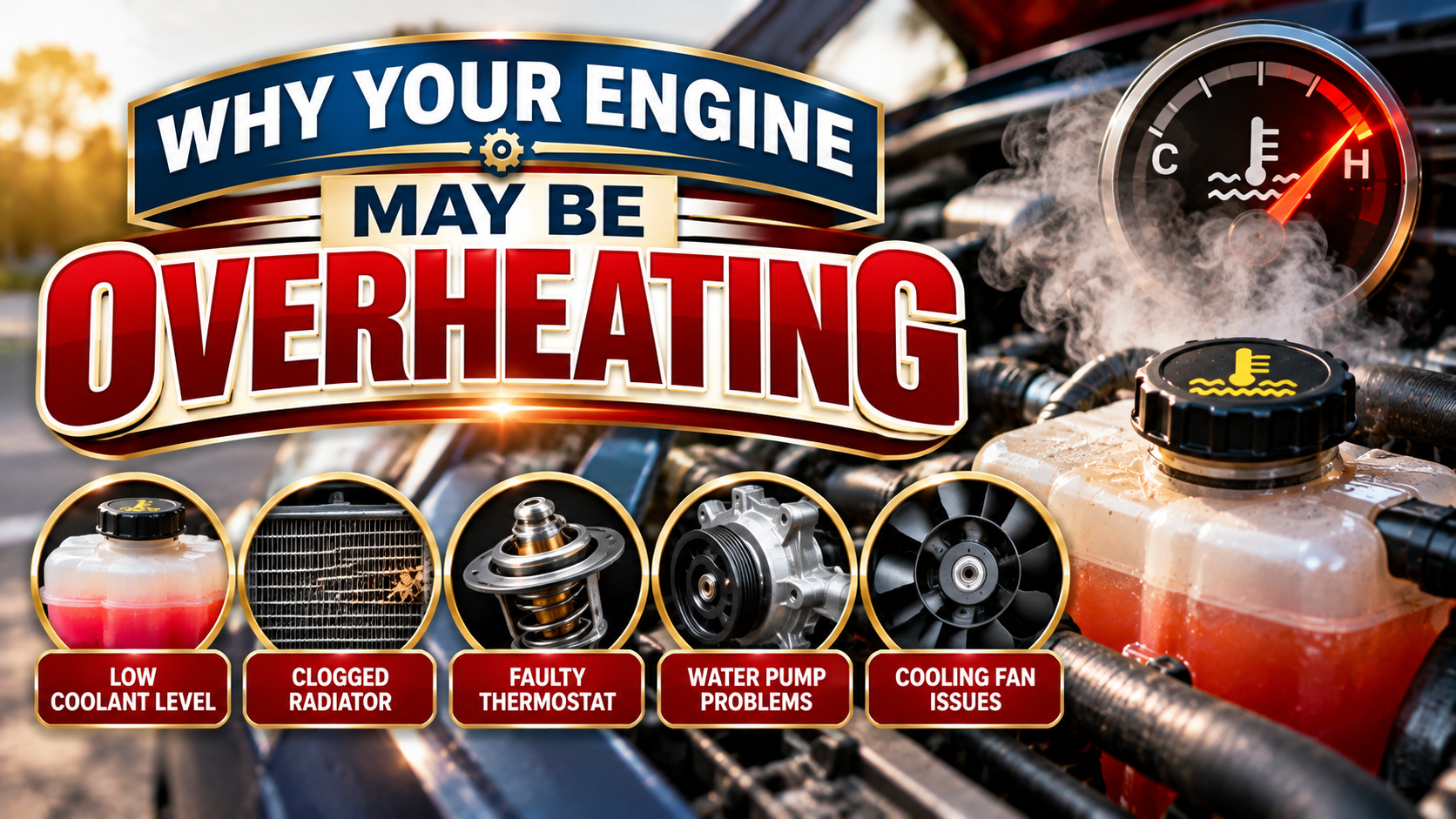
Why Your Engine May Be Overheating: Common Causes, Warning Signs, and Solutions
Engine Overheating in Watkinsville, GA? Learn What Could Be Wrong and When to Seek Professional Auto Repair.
An overheating engine is one of the most serious problems a vehicle owner can experience. Whether you’re sitting in traffic, driving down the highway, or running errands around Watkinsville, seeing your temperature gauge rise into the red can be alarming.
Your vehicle’s engine produces a tremendous amount of heat during normal operation. Its cooling system is designed to regulate that heat and maintain a safe operating temperature. When something goes wrong with the cooling system, engine temperatures can rise quickly, potentially leading to expensive repairs or even permanent engine damage.
For drivers in Watkinsville, Oconee County, and surrounding Northeast Georgia communities, hot summer temperatures can make existing cooling system problems even more noticeable.
At Car Craft of Watkinsville, we understand how important it is to identify engine overheating problems before they turn into major mechanical failures.
In this guide, we’ll explain the most common causes of engine overheating, warning signs you shouldn’t ignore, what to do if your car overheats, and how preventive maintenance can help protect your engine.
What Causes a Car Engine to Overheat?
An engine overheats when its cooling system cannot adequately regulate engine temperature.
Most vehicles use a liquid cooling system that circulates coolant through the engine, radiator, and related components to transfer excess heat away from the engine.
When coolant circulation, airflow, or temperature regulation is disrupted, engine temperatures may rise beyond normal operating limits.
Common causes of engine overheating include:
- Low engine coolant levels
- Coolant leaks
- Faulty thermostats
- Radiator problems
- Failing water pumps
- Broken cooling fans
- Damaged radiator hoses
- Faulty radiator caps
- Air trapped in the cooling system
- Head gasket problems
Understanding these potential causes can help you recognize when your vehicle needs professional attention.
1. Low Engine Coolant Levels
One of the most common reasons an engine overheats is insufficient coolant.
Engine coolant, also called antifreeze, circulates through the engine and cooling system to absorb and transfer heat.
When coolant levels become too low, the system may struggle to maintain proper engine temperature.
Common Reasons for Low Coolant
- Leaking radiator hoses
- Damaged radiator components
- Worn seals or gaskets
- Water pump leaks
- Leaking coolant reservoirs
- Internal engine leaks
Warning Signs of Low Coolant
- Rising engine temperature gauge
- Low coolant warning light
- Sweet-smelling odors
- Coolant puddles beneath the vehicle
- Inconsistent cabin heater performance
What to Do: Check the coolant reservoir only when the engine has cooled and follow your owner’s manual instructions.
If coolant levels repeatedly drop, have the system professionally inspected. A properly functioning cooling system should not require frequent coolant additions.
2. Coolant Leaks
Coolant leaks are another leading cause of engine overheating.
Over time, cooling system components can deteriorate because of age, heat, vibration, and normal wear.
Even a relatively small leak can eventually cause the coolant level to drop enough to affect engine temperature.
Common Coolant Leak Locations
- Radiator
- Radiator hoses
- Water pump
- Thermostat housing
- Heater hoses
- Coolant reservoir
- Engine gaskets and seals
Signs of a Coolant Leak
- Colored fluid beneath your vehicle
- Sweet odors near the engine
- Frequent coolant loss
- Visible moisture around cooling system components
- Engine overheating
Coolant color varies by vehicle, so color alone cannot identify the correct coolant type or confirm a leak.
Professional Tip: A cooling system pressure test can help technicians locate certain leaks that may not be visible during a basic inspection.
3. Faulty Thermostat
Your engine’s thermostat regulates coolant flow based on engine temperature.
When the engine is cold, the thermostat generally restricts coolant flow through the radiator to help the engine reach normal operating temperature.
As the engine warms, the thermostat opens to allow coolant to circulate through the radiator.
If the thermostat becomes stuck closed, coolant flow may be restricted, causing the engine to overheat.
Symptoms of a Faulty Thermostat
- Rapidly rising temperature gauge
- Engine overheating
- Unusual temperature fluctuations
- Inconsistent heater performance
- Cooling system warning lights
A thermostat stuck open can also cause operating temperature problems, although it typically results in an engine running cooler than intended rather than overheating.
Professional diagnosis can determine whether the thermostat is functioning correctly.
4. Radiator Problems
The radiator plays a central role in your vehicle’s cooling system.
As hot coolant passes through the radiator, heat is transferred to the surrounding air.
If the radiator cannot effectively release heat, engine temperatures may rise.
Common Radiator Problems
- Internal restrictions
- External debris buildup
- Corrosion
- Coolant leaks
- Damaged radiator fins
- Reduced airflow
Warning Signs of Radiator Problems
- Engine overheating
- Visible coolant leaks
- Temperature increases during demanding driving
- Repeated coolant loss
- Cooling system warning lights
How to Prevent Radiator Problems
Follow your manufacturer’s coolant maintenance schedule and have cooling system concerns inspected promptly.
Use the correct coolant specification for your vehicle.
Avoid assuming that every overheating problem requires a radiator replacement. Accurate diagnosis is essential.
5. Failing Water Pump
Your vehicle’s water pump circulates coolant through the engine and cooling system.
If the water pump fails or cannot circulate coolant effectively, engine temperatures may increase rapidly.
Signs of Water Pump Problems
- Coolant leaking near the pump
- Unusual bearing noises
- Engine overheating
- Coolant circulation problems
- Visible damage to related components
Some water pumps are driven by an accessory belt, while others are driven by a timing belt or use an electric motor.
Because water pump designs vary, diagnosis and repair procedures depend on the specific vehicle.
A failing water pump should be addressed promptly to reduce the risk of engine damage.
6. Cooling Fan Problems
Your radiator cooling fan helps move air through the radiator, particularly when the vehicle is stopped or traveling at low speeds.
When the fan fails, the engine may overheat while idling or sitting in traffic.
Common Causes of Cooling Fan Failure
- Faulty fan motors
- Damaged wiring
- Blown fuses
- Relay problems
- Temperature sensor issues
- Fan control module problems
Signs of Cooling Fan Problems
- Engine overheats while idling.
- Temperature rises in stop-and-go traffic.
- Engine temperature improves at highway speeds.
- Cooling fan does not operate when commanded.
- Air conditioning performance declines while stopped.
Important: Electric cooling fans can start unexpectedly, even when the engine is off. Keep hands, clothing, and tools away from fan blades.
7. Damaged or Collapsed Radiator Hoses
Radiator hoses carry coolant between the engine, radiator, and other cooling system components.
Over time, hoses can deteriorate due to heat, age, pressure, and normal wear.
A damaged hose may leak coolant or restrict coolant circulation.
Warning Signs of Hose Problems
- Visible cracks
- Bulging or swelling
- Coolant leaks
- Soft or deteriorated hose material
- Collapsed hoses
- Engine overheating
Routine hose inspections can help identify deterioration before a failure occurs.
If a hose bursts while driving, coolant loss can happen rapidly, potentially causing severe overheating.
8. Faulty Radiator Cap or Cooling System Pressure Problems
The radiator cap or pressure cap helps maintain the correct pressure within the cooling system.
Proper system pressure raises the coolant’s boiling point and supports efficient cooling system operation.
If the cap cannot maintain the specified pressure, coolant may boil at a lower temperature or escape from the system.
Possible Symptoms
- Coolant loss
- Overflow reservoir problems
- Engine overheating
- Visible coolant around the pressure cap
- Cooling system pressure issues
A technician can test the pressure cap and cooling system to determine whether the components are operating properly.
Never remove a pressure cap while the engine is hot.
9. Air Trapped in the Cooling System
Air pockets can interfere with coolant circulation and cause inconsistent engine temperature readings.
Air may enter the cooling system after certain repairs, improper coolant filling, or through leaks.
Signs of Air in the Cooling System
- Fluctuating temperature gauge
- Inconsistent cabin heat
- Engine overheating
- Gurgling sounds
- Coolant level changes
Some vehicles require specific coolant filling and bleeding procedures to remove trapped air.
Professional service can help ensure the cooling system is properly filled and functioning.
10. Blown Head Gasket or Internal Engine Problems
A damaged head gasket is one of the more serious potential causes of engine overheating.
The head gasket helps seal the engine’s combustion chambers and separate engine oil and coolant passages.
When it fails, combustion gases may enter the cooling system, coolant may leak internally, or engine performance may be affected.
Possible Signs of Head Gasket Problems
- Repeated overheating
- Unexplained coolant loss
- Persistent white exhaust vapor after warm-up
- Bubbles in the coolant reservoir
- Rough engine operation
- Contaminated engine oil
- Excessive cooling system pressure
These symptoms can have other causes, so professional testing is important before concluding that a head gasket has failed.
Important: Continuing to drive a vehicle with serious overheating or internal engine problems can lead to extensive damage.
Why Does My Car Overheat Only When Idling?
If your vehicle overheats while sitting in traffic but maintains a normal temperature while driving, the problem may involve insufficient airflow through the radiator.
Potential causes include:
- Malfunctioning cooling fans
- Fan control problems
- Restricted radiator airflow
- Low coolant
- Other cooling system faults
At higher speeds, natural airflow through the radiator may temporarily improve cooling performance.
However, this does not mean the problem is safe to ignore.
A professional cooling system inspection can help identify the cause.
Why Does My Car Overheat While Driving on the Highway?
An engine that overheats at highway speeds may have a different underlying problem.
Possible causes include:
- Low coolant levels
- Restricted radiator flow
- Faulty thermostat
- Water pump problems
- Collapsing radiator hoses
- Internal engine problems
- Excessive engine load
Because several issues can produce similar symptoms, proper diagnostic testing is important.
Why Does My Car Overheat When the Air Conditioner Is On?
Your vehicle’s air conditioning system adds load to the engine and releases heat through the condenser located near the radiator.
If the cooling system is already struggling, operating the air conditioner may make overheating more noticeable.
Possible causes include:
- Weak cooling fan performance
- Restricted radiator or condenser airflow
- Low coolant
- Cooling system inefficiency
- Excessive engine load
If your engine temperature rises when the air conditioner operates, have the vehicle inspected before the problem becomes more serious.
What Should You Do If Your Engine Overheats?
If your engine begins overheating, acting quickly can help reduce the risk of major damage.
Step 1: Turn Off the Air Conditioning
Switch off the air conditioner to reduce engine load.
If you are still moving toward a safe stopping location, turning the heater to maximum may temporarily help remove some engine heat, but it is not a repair and should not delay stopping.
Step 2: Pull Over Safely
Move to a safe location away from traffic as soon as possible.
Step 3: Turn Off the Engine
Shut off the engine and allow it to cool.
Continuing to drive while overheating can cause severe engine damage.
Step 4: Do Not Open the Radiator Cap
Never remove the radiator or coolant pressure cap while the engine is hot.
Hot pressurized coolant can cause serious burns.
Step 5: Look for Obvious Warning Signs from a Safe Distance
Check for visible steam or fluid beneath the vehicle without touching hot components.
Step 6: Arrange Professional Assistance
If the engine overheated significantly, lost coolant, or continues showing warning signs, arrange towing or roadside assistance rather than attempting to drive it.
Safety Reminder: Do not continue driving a vehicle with a severe overheating warning simply because the temperature gauge temporarily returns to normal.
Can You Drive a Car That Is Overheating?
Driving an overheating vehicle is not recommended.
Excessive engine temperatures can damage important internal components, including:
- Cylinder heads
- Head gaskets
- Pistons
- Engine bearings
- Seals and gaskets
- Other internal engine components
In severe cases, overheating can result in complete engine failure.
If your engine overheats, stop safely and have the problem diagnosed before continuing your trip.
How Much Does It Cost to Fix an Overheating Engine?
The cost of overheating repairs depends on the underlying cause, vehicle design, parts required, and labor involved.
| Potential Problem | Possible Repair |
|---|---|
| Low Coolant | Locate and repair the cause of coolant loss |
| Leaking Radiator Hose | Hose replacement and coolant service |
| Faulty Thermostat | Thermostat replacement |
| Radiator Leak | Radiator repair or replacement |
| Failing Water Pump | Water pump replacement |
| Cooling Fan Failure | Fan, wiring, or control system repair |
| Faulty Pressure Cap | Correct pressure cap replacement |
| Air in Cooling System | Proper filling, bleeding, and leak diagnosis |
| Head Gasket Failure | Major engine repair when confirmed |
Minor cooling system repairs may be relatively affordable, while major internal engine damage can be expensive.
The most effective way to avoid unnecessary repair costs is to identify the actual cause before replacing parts.
How to Prevent Your Engine from Overheating
Preventive maintenance is one of the best ways to reduce the risk of cooling system failures.
Engine Cooling System Maintenance Checklist:
-
Check coolant levels when the engine is cool.
-
Follow manufacturer-recommended coolant replacement intervals.
-
Inspect radiator hoses for deterioration.
-
Watch for coolant leaks.
-
Pay attention to unusual temperature gauge readings.
-
Have cooling fan problems diagnosed.
-
Inspect belts that operate cooling system components.
-
Use the correct coolant specification.
-
Address overheating symptoms immediately.
-
Schedule routine vehicle inspections.
Taking care of small cooling system problems before they worsen can help protect your engine and reduce unexpected breakdowns.
Why Engine Overheating Is a Concern for Watkinsville, GA Drivers
Georgia’s hot summers can increase demands on vehicle cooling systems, especially during heavy traffic and extended driving.
Drivers throughout Watkinsville, Oconee County, Bishop, Bogart, and nearby communities rely on their vehicles for daily commuting, errands, school transportation, and highway travel.
Several driving conditions can make existing cooling system problems more noticeable.
Hot Summer Temperatures
High outdoor temperatures reduce the temperature difference between the radiator and surrounding air, making heat removal more demanding.
Stop-and-Go Traffic
Reduced airflow through the radiator can expose problems with cooling fans or other components.
Extended Idling
Long periods of idling can place additional demands on the cooling system, especially when the air conditioner is operating.
Older and High-Mileage Vehicles
As vehicles age, hoses, seals, radiators, and other cooling system components may deteriorate.
Regular maintenance and prompt attention to warning signs can help keep your vehicle dependable throughout Georgia’s changing seasons.
Professional Engine Overheating Diagnostics in Watkinsville, GA
When your vehicle overheats, guessing at the cause can lead to unnecessary repairs and additional expenses.
A professional automotive technician can evaluate the cooling system and perform appropriate diagnostic tests.
An Overheating Diagnosis May Include:
- Cooling system pressure testing
- Coolant level and condition inspection
- Radiator inspection
- Thermostat evaluation
- Cooling fan operation testing
- Water pump inspection
- Hose and belt inspection
- Electronic diagnostic testing
- Additional engine testing when needed
The goal is to identify the underlying problem and recommend the appropriate repair.
Trust Car Craft of Watkinsville for Cooling System Repair
At Car Craft of Watkinsville, we understand how stressful an overheating engine can be.
Our family-owned automotive repair shop is committed to helping drivers throughout Watkinsville, Oconee County, and surrounding Northeast Georgia communities maintain safe, dependable vehicles.
Our experienced, ASE-certified technicians provide automotive services that include:
- Cooling System Repair
- Coolant Flush Services
- Engine Diagnostics
- Engine Repair
- Oil Change Services
- Battery Testing & Replacement
- Preventive Vehicle Maintenance
- Vehicle Safety Inspections
We believe in honest recommendations, upfront estimates, clear communication, and quality workmanship.
Our goal is to help you understand what’s wrong with your vehicle and make informed decisions about the repairs it needs.
Is Your Engine Overheating? Don’t Wait for Major Damage.
An overheating engine is a warning sign that should never be ignored.
Whether the problem involves a coolant leak, faulty thermostat, radiator issue, or another cooling system component, prompt diagnosis can help reduce the risk of serious engine damage.
Contact Car Craft of Watkinsville today to schedule an engine overheating diagnosis or cooling system inspection.
Let our experienced automotive team help keep your vehicle running safely and reliably.