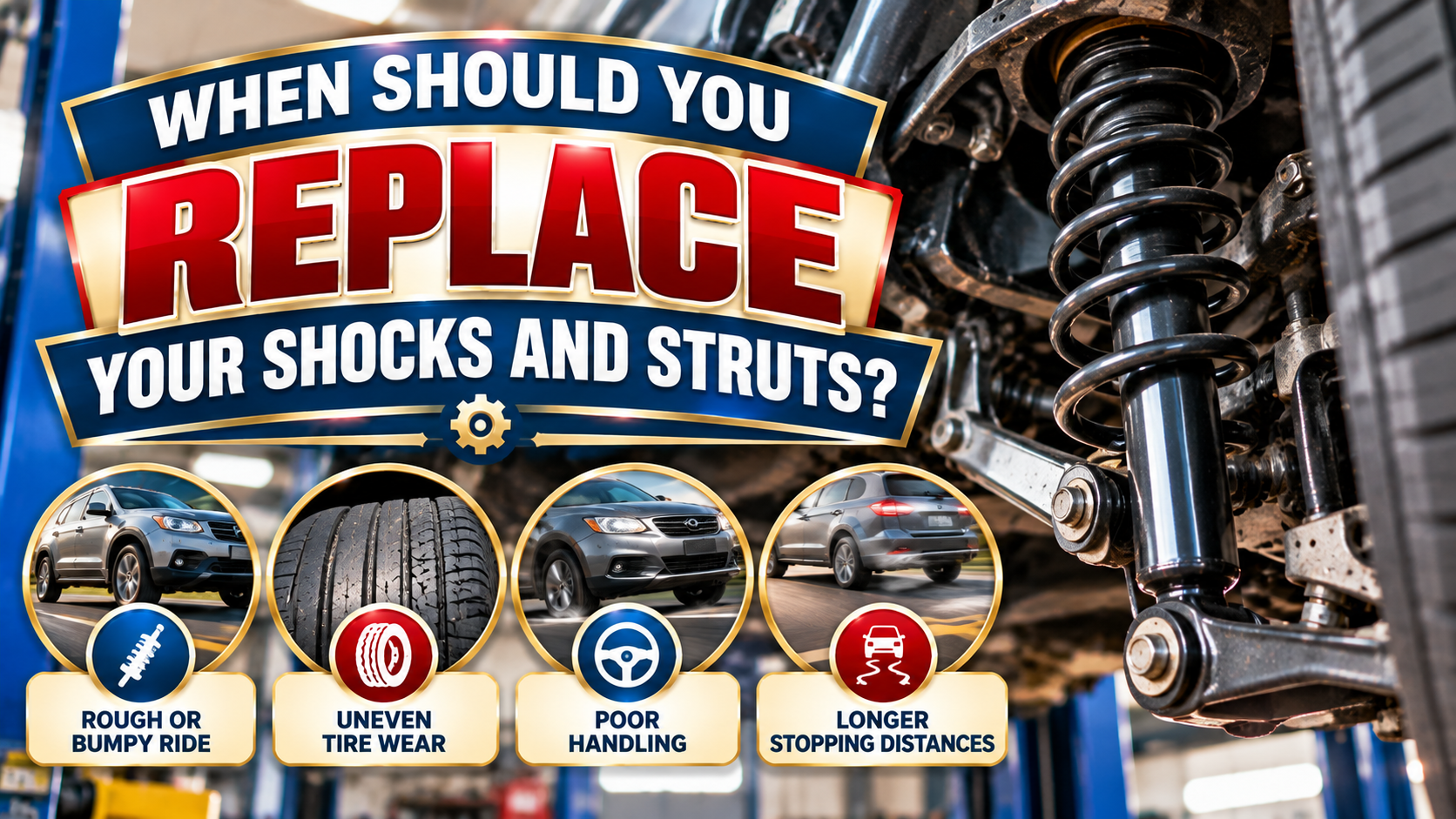
When Should You Replace Your Shocks and Struts? Signs, Mileage, and Maintenance Tips
Learn the Warning Signs of Worn Shocks and Struts from Car Craft of Watkinsville, GA
Your vehicle’s suspension system does much more than provide a comfortable ride. It plays an important role in maintaining tire contact with the road, supporting vehicle stability, and helping you maintain control when braking, turning, or driving over uneven surfaces.
Two essential suspension components are your vehicle’s shocks and struts. Over time, these parts wear down, potentially affecting ride comfort, steering response, tire wear, and overall handling.
But how do you know when it’s time to replace them?
Many drivers assume shocks and struts only need attention when their vehicle starts bouncing excessively. However, suspension wear can develop gradually, making the warning signs difficult to recognize.
At Car Craft of Watkinsville, we help drivers throughout Watkinsville, Oconee County, and surrounding Northeast Georgia communities understand their vehicle’s maintenance needs and identify suspension problems before they become more serious.
In this guide, we’ll explain what shocks and struts do, how long they typically last, common warning signs of wear, and when to schedule a professional suspension inspection.
What Are Shocks and Struts?
Shocks and struts are important components of your vehicle’s suspension system.
Both help control suspension movement and reduce excessive bouncing, but they serve different purposes.
What Are Shock Absorbers?
Shock absorbers, commonly called shocks, help control the movement of your vehicle’s suspension springs.
When you drive over bumps or uneven pavement, the suspension compresses and rebounds. Shock absorbers dampen that movement so the vehicle does not continue bouncing excessively.
Shock absorbers help:
- Control suspension movement.
- Reduce excessive bouncing.
- Maintain consistent tire contact with the road.
- Improve vehicle stability.
- Support predictable handling.
- Reduce unnecessary suspension movement.
What Are Struts?
Struts perform a similar damping function but also serve as structural components of certain suspension designs.
A strut assembly commonly includes a shock absorber, coil spring, and related mounting components, although configurations vary.
Struts help:
- Support the vehicle’s suspension structure.
- Control spring movement.
- Maintain wheel positioning within the suspension design.
- Support steering and handling.
- Improve ride stability.
- Reduce excessive vehicle movement.
Some vehicles use shocks in the rear and struts in the front, while others use different configurations.
The correct replacement procedure depends on your vehicle’s make, model, and suspension design.
How Long Do Shocks and Struts Last?
There is no universal mileage at which shocks and struts must be replaced.
Their lifespan depends on several factors, including:
- Vehicle design
- Driving habits
- Road conditions
- Vehicle weight
- Towing and hauling
- Climate and environmental exposure
- Component quality
- Maintenance history
Many shocks and struts remain serviceable for tens of thousands of miles. Around 50,000 miles is a commonly suggested point to begin paying closer attention to suspension condition, but it is not an automatic replacement requirement.
Some components may last considerably longer, while others may wear sooner.
The best time to replace shocks or struts is when inspection and vehicle symptoms indicate they are no longer functioning properly—not simply because the odometer reaches a particular number.
1. Your Vehicle Bounces Excessively
One of the most recognizable signs of worn shocks or struts is excessive bouncing.
When suspension dampers lose effectiveness, they may no longer control spring movement properly.
You may notice your vehicle continues bouncing after driving over a bump or uneven road surface.
Common Symptoms Include:
- Repeated bouncing after bumps.
- Excessive movement over uneven pavement.
- A floating or unstable feeling.
- Reduced ride control.
- More noticeable suspension movement at highway speeds.
While bouncing can indicate worn shocks or struts, other suspension components may also contribute to unusual vehicle movement.
A professional inspection can help determine the cause.
2. Your Car Dives Forward When Braking
When you apply the brakes, your vehicle’s weight naturally shifts toward the front.
Some forward movement is normal.
However, excessive nose-diving may indicate that the suspension is not controlling vehicle movement effectively.
Signs to Watch For:
- Front end dipping excessively during braking.
- Unusual forward rocking.
- Reduced vehicle stability.
- Increased difficulty maintaining smooth control.
Worn shocks or struts can contribute to excessive body movement, but braking system and suspension problems should be evaluated together when necessary.
3. Your Vehicle Leans Excessively During Turns
A properly functioning suspension system helps control vehicle body movement during cornering.
If your shocks or struts are worn, you may notice excessive leaning when turning.
Possible Warning Signs:
- Excessive body roll.
- Unstable handling through curves.
- A loose or floating sensation.
- Increased movement during lane changes.
- Reduced confidence in vehicle handling.
These symptoms may also involve sway bar links, bushings, springs, tires, or other suspension components.
Professional diagnosis is important before replacing parts.
4. Your Tires Are Wearing Unevenly
Worn shocks and struts can contribute to abnormal tire wear by allowing excessive wheel movement.
One possible pattern is called cupping or scalloping, which appears as uneven dips or patches around the tire tread.
Tire Wear Patterns to Watch For:
- Cupped or scalloped tread.
- Irregular wear patches.
- Excessive tire noise.
- Uneven tread depth.
- Abnormal tire wear despite proper inflation.
However, uneven tire wear can also result from alignment problems, improper tire pressure, wheel imbalance, or worn steering components.
Replacing shocks or struts without identifying the underlying cause may not solve the problem.
Professional Tip: If your tires are wearing unevenly, have your suspension, alignment, and tire condition evaluated together.
5. You Hear Clunking or Rattling Noises
Unusual noises when driving over bumps may indicate suspension problems.
Worn strut mounts, bushings, or related components can produce knocking, clunking, or rattling sounds.
Common Suspension Noises Include:
- Clunking over bumps.
- Knocking during turns.
- Rattling on rough roads.
- Squeaking during suspension movement.
- Unusual noises when entering driveways.
Not every suspension noise means the shocks or struts need replacement.
Ball joints, sway bar links, control arm bushings, and other components can produce similar symptoms.
A thorough inspection helps identify the actual source.
6. Your Steering Feels Loose or Unstable
Your suspension and steering systems work together to maintain predictable vehicle handling.
When suspension components wear, you may notice changes in steering response.
Potential Warning Signs:
- Wandering while driving.
- Excessive steering corrections.
- Unstable highway handling.
- Poor response during turns.
- Unusual steering vibrations.
Because steering instability can also indicate worn tie rods, ball joints, tires, or alignment problems, prompt inspection is important.
If your vehicle becomes difficult to control, stop driving when safe and arrange professional assistance.
7. You Notice Fluid Leaking from a Shock or Strut
Most conventional shocks and struts contain hydraulic fluid that helps control suspension movement.
When internal seals deteriorate, fluid may begin leaking from the component.
Signs of Possible Leakage:
- Visible oily fluid on the shock or strut body.
- Wet streaks along the component.
- Accumulated dirt sticking to leaked fluid.
- Reduced damping performance.
A light film or minor residue does not always mean the component has failed.
However, significant fluid leakage combined with poor ride control may indicate replacement is necessary.
A qualified technician can determine whether the observed condition represents normal residue or an actual leak.
8. Your Vehicle Sags or Sits Unevenly
If one corner of your vehicle sits noticeably lower than the others, the suspension may have a problem.
However, conventional shocks and struts generally do not support vehicle weight by themselves. Springs and other suspension components are primarily responsible for ride height.
Possible Causes of Uneven Ride Height Include:
- Weak or broken springs.
- Damaged suspension components.
- Worn spring mounts.
- Air suspension problems, if equipped.
- Structural or mounting issues.
An uneven stance deserves professional inspection, but it should not automatically be blamed on worn shocks or struts.
9. Your Ride Feels Rougher Than It Used To
Suspension wear often develops gradually.
You may not notice a dramatic change immediately, but over time, the vehicle may begin feeling less controlled or comfortable.
Common Ride Quality Changes:
- Increased bouncing.
- Harsh impacts over bumps.
- Excessive body movement.
- Unusual suspension noises.
- Reduced stability on uneven roads.
Because ride quality can also be affected by tire pressure, tire construction, worn bushings, and other suspension components, proper diagnosis is important.
10. Your Vehicle Has High Mileage
Mileage alone does not determine whether shocks or struts need replacement, but it can be a useful reason to schedule an inspection.
As vehicles accumulate mileage, suspension components experience repeated movement and exposure to road conditions.
High-mileage vehicles may develop wear involving:
- Shocks and struts.
- Strut mounts.
- Control arm bushings.
- Ball joints.
- Tie rods.
- Sway bar links.
- Suspension springs.
If your vehicle has more than 100,000 miles and its suspension has never been inspected, a professional evaluation can help identify developing concerns.
Quick Reference: Signs You May Need New Shocks or Struts
| Warning Sign | Possible Cause |
|---|---|
| Excessive bouncing | Worn shocks or struts |
| Nose-diving during braking | Reduced suspension damping |
| Excessive leaning in turns | Worn dampers or other suspension components |
| Uneven tire wear | Suspension, alignment, or tire problems |
| Clunking over bumps | Worn mounts, bushings, or related components |
| Loose steering | Steering or suspension wear |
| Significant fluid leakage | Damaged shock or strut seals |
| Uneven vehicle height | Spring or suspension support problems |
| Rough or unstable ride | Worn suspension components |
| High mileage | Potential age- and mileage-related wear |
Remember: These symptoms are not exclusive to shocks and struts. A professional inspection is the best way to determine which components actually need repair.
Should You Replace Shocks and Struts at the Same Time?
Shocks and struts are often replaced in pairs on the same axle.
For example, if one front strut is worn, replacing both front struts may help maintain more balanced suspension performance.
However, replacing all four components is not always necessary.
The appropriate recommendation depends on:
- Vehicle design.
- Component condition.
- Mileage.
- Manufacturer recommendations.
- Existing suspension problems.
- Whether related components require replacement.
A trustworthy automotive technician should explain which components need replacement and why.
At Car Craft of Watkinsville, we believe in honest repair recommendations based on your vehicle’s actual condition rather than unnecessary parts replacement.
Do You Need a Wheel Alignment After Replacing Struts?
In many vehicles, replacing struts can affect wheel alignment settings.
Because struts may be part of the suspension’s structural geometry, removing and reinstalling them can change wheel positioning.
A wheel alignment is commonly recommended after strut replacement, particularly when the repair affects alignment-adjustable components.
Shock absorber replacement does not always require alignment, depending on the vehicle’s suspension design and repair procedure.
Your technician can determine whether an alignment is necessary.
What Happens If You Don’t Replace Worn Shocks and Struts?
Continuing to drive with significantly worn suspension components can affect vehicle handling and safety.
Potential consequences include:
- Reduced ride stability.
- Excessive bouncing.
- Poor control over uneven roads.
- Increased tire wear.
- Less predictable handling.
- Reduced braking stability.
- Additional stress on related components.
Worn shocks and struts can affect how consistently your tires maintain contact with the road, particularly over bumps and uneven pavement.
Addressing suspension problems promptly can help maintain vehicle control and reduce the risk of additional wear.
How Much Does Shock or Strut Replacement Cost?
The cost of replacing shocks or struts varies based on the vehicle and the components involved.
Factors That Affect Replacement Costs:
- Vehicle make and model.
- Front or rear suspension design.
- Shock absorber versus complete strut assembly.
- Replacement part quality.
- Labor requirements.
- Related suspension repairs.
- Whether wheel alignment is needed.
Some vehicles have relatively straightforward shock replacement procedures, while others require more extensive labor.
The most accurate way to determine the cost is to have your vehicle inspected and request a written estimate.
Helpful Tip: Ask whether the estimate includes related mounting components, labor, and any recommended alignment service.
Can You Drive with Bad Shocks or Struts?
A vehicle with mildly worn suspension components may still be drivable, but continued use can affect handling and tire wear.
Severely worn or damaged shocks, struts, or related suspension components can create significant safety concerns.
If your vehicle exhibits excessive bouncing, unstable steering, severe clunking, or difficulty maintaining control, arrange a professional inspection promptly.
Do not continue driving a vehicle that feels unsafe or difficult to control.
How to Make Your Shocks and Struts Last Longer
Although shocks and struts eventually wear out, certain driving and maintenance habits can help reduce unnecessary suspension stress.
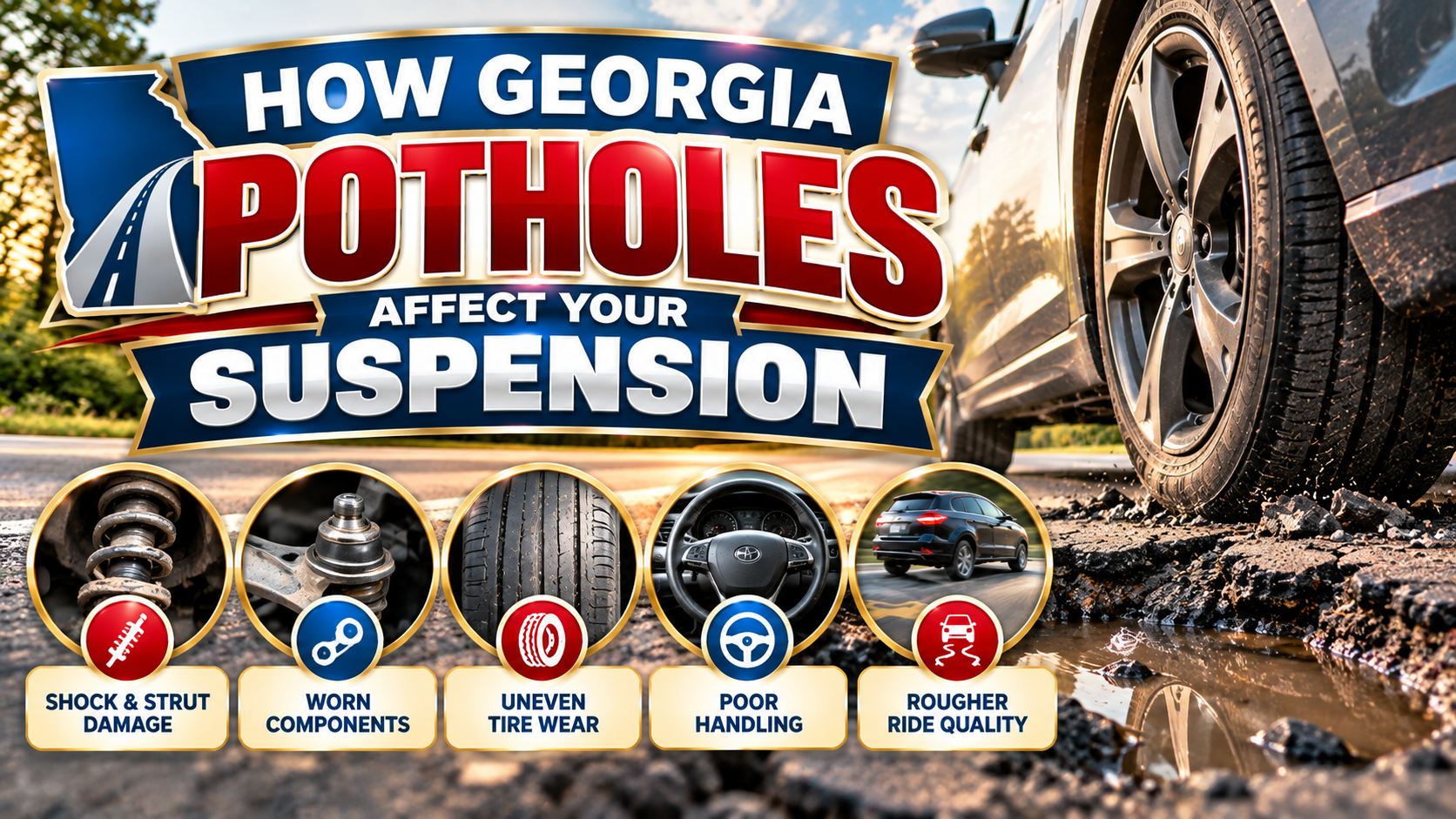
Avoid Potholes When Safely Possible
Large potholes can damage tires, wheels, and suspension components.
Slow down when approaching rough roads and avoid sudden steering maneuvers that could create additional hazards.
Maintain Proper Tire Pressure
Correct tire pressure helps support predictable handling and reduces unnecessary stress on tires and related components.
Avoid Overloading Your Vehicle
Carrying loads beyond your vehicle’s rated capacity can place excessive demands on suspension components.
Maintain Wheel Alignment
Proper alignment helps reduce uneven tire wear and supports stable vehicle handling.
Schedule Routine Suspension Inspections
Periodic inspections can help identify damaged mounts, worn bushings, fluid leaks, and other developing problems.
Why Suspension Maintenance Matters for Watkinsville, GA Drivers
Drivers throughout Watkinsville, Oconee County, Bishop, Bogart, and nearby Northeast Georgia communities encounter a variety of driving conditions.
From local roads and neighborhood streets to highways and uneven pavement, your vehicle’s suspension system works continuously to maintain ride stability.
Potholes and Uneven Pavement
Road imperfections can place additional stress on suspension components.
Daily Commuting
Frequent driving creates ongoing wear through repeated suspension movement.
Highway Travel
Worn suspension components may become more noticeable at higher speeds, particularly when handling feels unstable.
High-Mileage Vehicles
Older vehicles may have worn dampers, bushings, mounts, and other suspension components that deserve inspection.
Maintaining your suspension system can help preserve ride comfort, tire life, and predictable handling.
Professional Shock and Strut Inspections in Watkinsville, GA
If your vehicle is bouncing excessively, making unusual noises, or experiencing uneven tire wear, a professional suspension inspection can help determine the cause.
A suspension inspection may include evaluating:
- Shock absorbers.
- Struts.
- Strut mounts.
- Suspension springs.
- Control arms and bushings.
- Ball joints.
- Tie rods.
- Sway bar links.
- Tire wear patterns.
- Wheel alignment concerns.
Because several components can produce similar symptoms, accurate diagnosis helps avoid unnecessary repairs.
Trust Car Craft of Watkinsville for Honest Automotive Service
At Car Craft of Watkinsville, we understand that your vehicle’s safety and reliability are important.
Our family-owned automotive repair shop is committed to helping drivers throughout Watkinsville, Oconee County, and surrounding communities make informed decisions about their vehicles.
Our experienced, ASE-certified technicians provide automotive inspection, diagnostic, maintenance, and repair services.
Whether your vehicle needs a suspension evaluation, wheel alignment, tire service, or other automotive repairs, our team can help identify concerns and discuss appropriate service options.
We believe in honest recommendations, upfront estimates, clear communication, and quality workmanship.
Our goal is to help you understand what your vehicle actually needs without unnecessary repairs.
Is Your Vehicle Bouncing, Pulling, or Riding Rough?
Don’t ignore changes in your vehicle’s handling or suspension performance.
Worn shocks, struts, and related suspension components can affect comfort, tire wear, and driving stability.
Contact Car Craft of Watkinsville today to discuss your suspension concerns and schedule an inspection.
Let our experienced automotive team help keep your vehicle safe, comfortable, and dependable.