Keep Your High-Mileage Vehicle Running Strong with Proper Maintenance in Watkinsville, GA
Reaching 100,000 miles or more is a major milestone for any vehicle. With proper care and regular maintenance, many cars, trucks, and SUVs can continue providing reliable transportation well beyond that point. However, as vehicles age and accumulate mileage, their components experience wear and tear that makes preventive maintenance increasingly important.
At Car Craft of Watkinsville, we understand how important it is to keep your vehicle dependable, safe, and performing at its best. Whether your car has 100,000, 150,000, or more than 200,000 miles, following a consistent maintenance schedule can help prevent expensive repairs, improve performance, and extend its useful life.
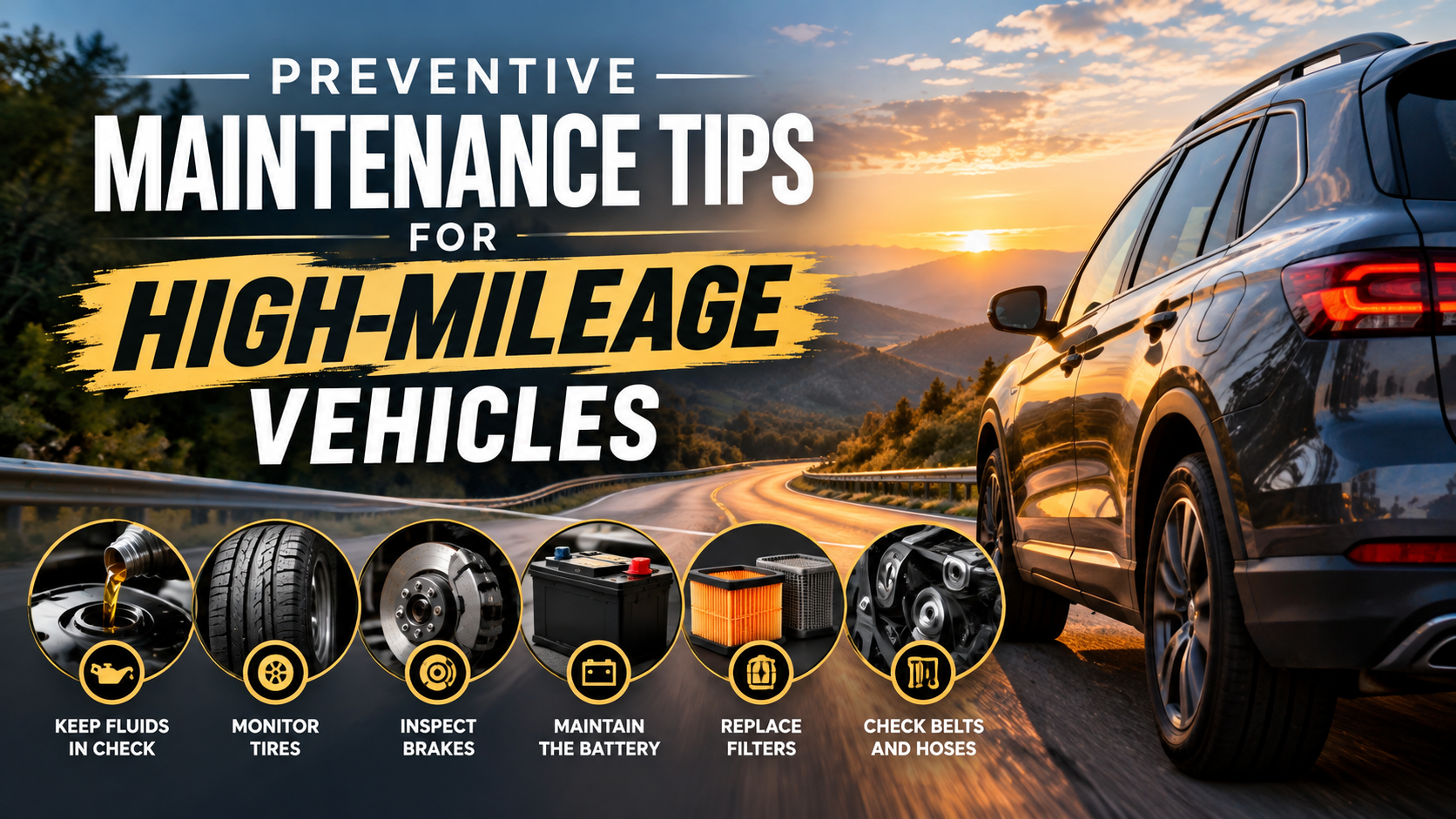
Here are some essential preventive maintenance tips to help keep your high-mileage vehicle on the road.
1. Stay Consistent with Oil Changes
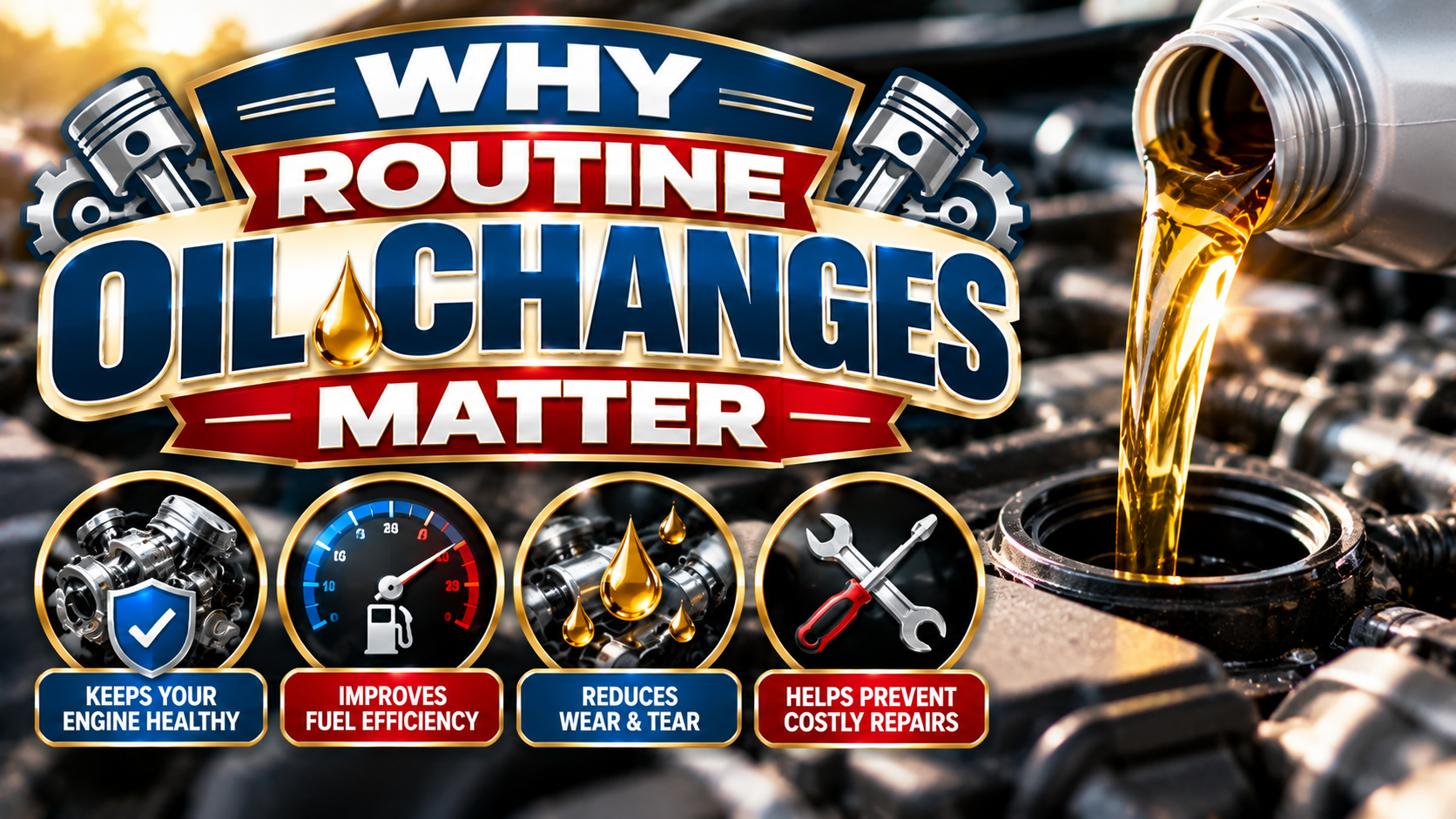
Regular oil changes are one of the most important maintenance services for high-mileage vehicles. Engine oil lubricates moving parts, reduces friction, helps control engine temperatures, and protects internal components from premature wear.
As engines age, seals, gaskets, and internal components may begin showing signs of wear. Maintaining the correct oil level and changing the oil at recommended intervals can help protect your engine.
High-Mileage Oil Change Tips:
- Follow your vehicle manufacturer’s recommended oil change intervals.
- Check your engine oil level regularly.
- Use the manufacturer-recommended oil viscosity and specifications.
- Ask whether high-mileage motor oil is appropriate for your vehicle.
- Address oil leaks or unusual oil consumption promptly.
High-mileage motor oils may contain additives designed to help condition aging seals, but they are not a substitute for repairing mechanical problems.
Professional Tip: If your vehicle has exceeded 100,000 miles, regular oil level checks between scheduled oil changes are especially important.
2. Inspect and Maintain Your Cooling System
Your vehicle’s cooling system prevents the engine from overheating. Over time, radiators, water pumps, hoses, thermostats, and other cooling system components can deteriorate.
An overheating engine can suffer serious damage, making cooling system maintenance particularly important for older vehicles.
Cooling System Maintenance Tips:
- Check coolant levels when the engine is cool.
- Inspect radiator hoses for cracks, swelling, or leaks.
- Replace coolant according to the manufacturer’s maintenance schedule.
- Watch for engine temperature fluctuations.
- Have the radiator, thermostat, and water pump inspected when symptoms indicate a problem.
If your temperature gauge begins rising unexpectedly or you notice coolant leaking beneath your vehicle, schedule an inspection before the problem becomes more serious.
Never remove a radiator cap while the engine is hot.
3. Pay Attention to Transmission Maintenance
Your transmission is responsible for transferring power from the engine to the wheels. As mileage increases, transmission components and fluid can experience wear and deterioration.
Ignoring transmission maintenance may contribute to shifting problems and costly repairs.
Transmission Maintenance Tips:
- Follow the manufacturer’s transmission fluid service recommendations.
- Watch for delayed or rough shifting.
- Pay attention to slipping, hesitation, or unusual noises.
- Have suspected transmission fluid leaks inspected.
- Address changes in transmission performance promptly.
Not every transmission requires the same maintenance procedure. Some manufacturers specify particular fluids, inspection methods, or service intervals.
Professional Tip: Before performing a transmission fluid exchange or other service on a high-mileage vehicle, have a qualified technician review its condition, maintenance history, and manufacturer recommendations.
4. Replace Worn Belts and Hoses
Belts and hoses play important roles in your vehicle’s operation. Over time, heat, age, and repeated use can cause these components to deteriorate.
A failing belt or hose can leave you stranded or contribute to engine damage.
Components to Inspect:
- Serpentine belts
- Timing belts, if equipped
- Radiator hoses
- Heater hoses
- Other accessible rubber hoses and connections
Timing belts are particularly important because a failure can cause severe engine damage in certain engine designs.
Check your owner’s manual to determine whether your vehicle has a timing belt and when replacement is recommended.
5. Keep Your Braking System in Excellent Condition
Your brakes are among the most important safety components on your vehicle. High-mileage vehicles may experience wear involving brake pads, rotors, calipers, hoses, and other braking system components.
Regular brake inspections help identify problems before they compromise stopping performance.
Signs Your Brakes Need Attention:
- Squealing or grinding noises
- Vibrations when braking
- A soft or spongy brake pedal
- Increased stopping distances
- Pulling to one side while braking
- Brake warning lights
Brake fluid also requires attention because it can absorb moisture over time. Follow your manufacturer’s recommended brake fluid inspection and replacement schedule.
At Car Craft of Watkinsville, professional brake inspections can help identify worn components and support safe, dependable braking.
6. Monitor Your Tires and Wheel Alignment
Proper tire maintenance improves handling, traction, ride comfort, and tire life.
High-mileage vehicles may develop suspension or steering wear that contributes to uneven tire wear and alignment problems.
Essential Tire Maintenance Tips:
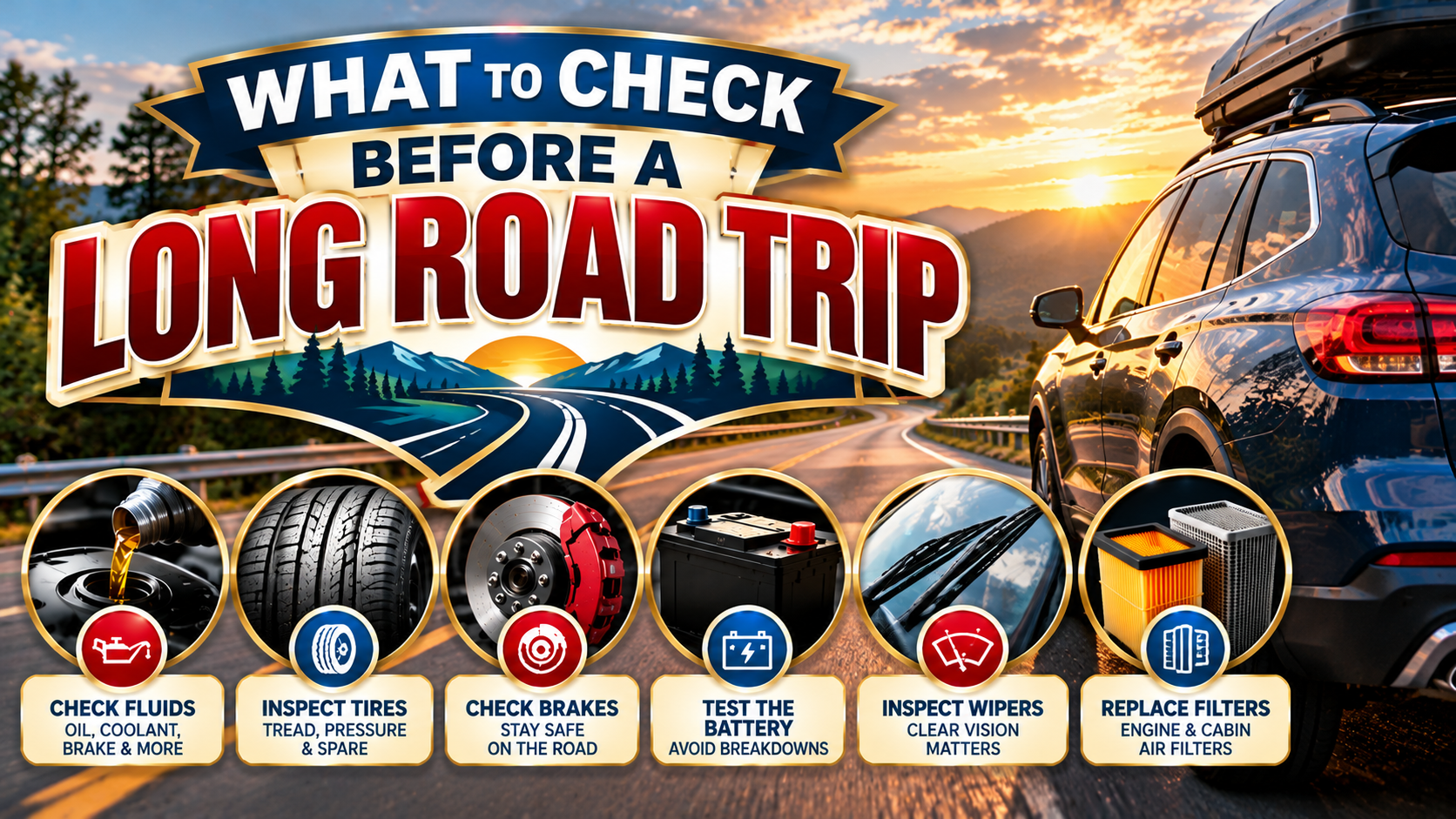
- Check tire pressure at least monthly and before long trips.
- Rotate tires according to manufacturer recommendations.
- Inspect tread depth and tire condition.
- Watch for uneven or excessive tire wear.
- Schedule wheel alignment inspections when symptoms appear.
- Have steering and suspension components inspected when necessary.
If your vehicle pulls to one side, your steering wheel sits off-center, or your tires wear unevenly, an alignment or suspension inspection may be needed.
Maintaining proper tire pressure can also help support fuel efficiency and predictable handling.
7. Maintain Your Battery and Electrical System
As vehicles age, electrical components and connections can deteriorate. Battery problems, corroded terminals, aging wiring, and charging system issues may contribute to unexpected breakdowns.
Battery and Electrical Maintenance Tips:
- Have your battery tested periodically, especially as it ages.
- Inspect battery terminals for corrosion.
- Watch for slow engine cranking.
- Address dimming headlights or electrical problems.
- Have the alternator and charging system tested when symptoms appear.
Georgia’s hot summer temperatures can be particularly demanding on automotive batteries, making routine battery inspections worthwhile.
8. Replace Spark Plugs and Inspect Ignition Components
Spark plugs help ignite the air-fuel mixture inside your engine. Over time, worn spark plugs can contribute to rough idling, hesitation, misfires, and reduced engine performance.
High-mileage vehicles may also develop problems involving ignition coils or other ignition system components.
Warning Signs of Ignition Problems:
- Rough engine idling
- Engine hesitation during acceleration
- Difficulty starting
- Reduced fuel efficiency
- Engine misfires
- Illuminated check engine light
Follow your manufacturer’s spark plug replacement schedule, and have ignition-related symptoms professionally diagnosed rather than replacing components unnecessarily.
9. Inspect Your Suspension and Steering System
Your vehicle’s suspension and steering systems contribute to stability, handling, and ride comfort.
After years of driving, components such as shocks, struts, bushings, ball joints, and tie rods can experience wear.
Signs of Suspension or Steering Problems:
- Excessive bouncing
- Clunking noises over bumps
- Uneven tire wear
- Loose or wandering steering
- Vehicle pulling or drifting
- Unusual vibrations
A professional inspection can identify worn components and determine whether repairs are necessary.
Maintaining these systems is especially important for high-mileage vehicles frequently traveling on uneven roads or highways.
10. Never Ignore Your Check Engine Light
A check engine light may indicate anything from a relatively minor issue to a problem that could damage your engine or emissions system.
High-mileage vehicles can experience issues involving oxygen sensors, ignition components, fuel delivery, emissions equipment, and other systems.
What Should You Do?
If your check engine light comes on, schedule a diagnostic inspection to determine the cause.
A flashing check engine light can indicate a serious engine misfire that may damage the catalytic converter. If the light flashes, reduce power, stop safely, and arrange appropriate assistance.
Professional diagnostic testing helps identify the underlying problem rather than relying on guesswork.
11. Check for Fluid Leaks and Unusual Fluid Consumption
As vehicles accumulate mileage, gaskets, seals, and connections can begin leaking.
Common automotive fluids include:
- Engine oil
- Transmission fluid
- Engine coolant
- Brake fluid
- Power steering fluid, on vehicles with hydraulic systems
Check for unusual spots beneath your vehicle and monitor fluid levels according to your owner’s manual.
A small leak may become a much larger problem if left unaddressed.
Brake fluid leaks and significant coolant or oil loss require prompt attention because they can affect safety or cause serious mechanical damage.
12. Schedule Regular Comprehensive Vehicle Inspections
One of the most effective ways to protect a high-mileage vehicle is to have it inspected regularly by an experienced automotive technician.
A comprehensive inspection can help identify developing problems before they lead to unexpected breakdowns.
A High-Mileage Vehicle Inspection May Include:
- Engine condition and visible leaks
- Cooling system components
- Brake system condition
- Tire wear and pressure
- Steering and suspension components
- Battery and charging system
- Belts and hoses
- Fluid levels and condition
- Exhaust system components
- Warning lights and diagnostic concerns
Regular inspections allow you to prioritize necessary repairs and plan future maintenance based on your vehicle’s actual condition.
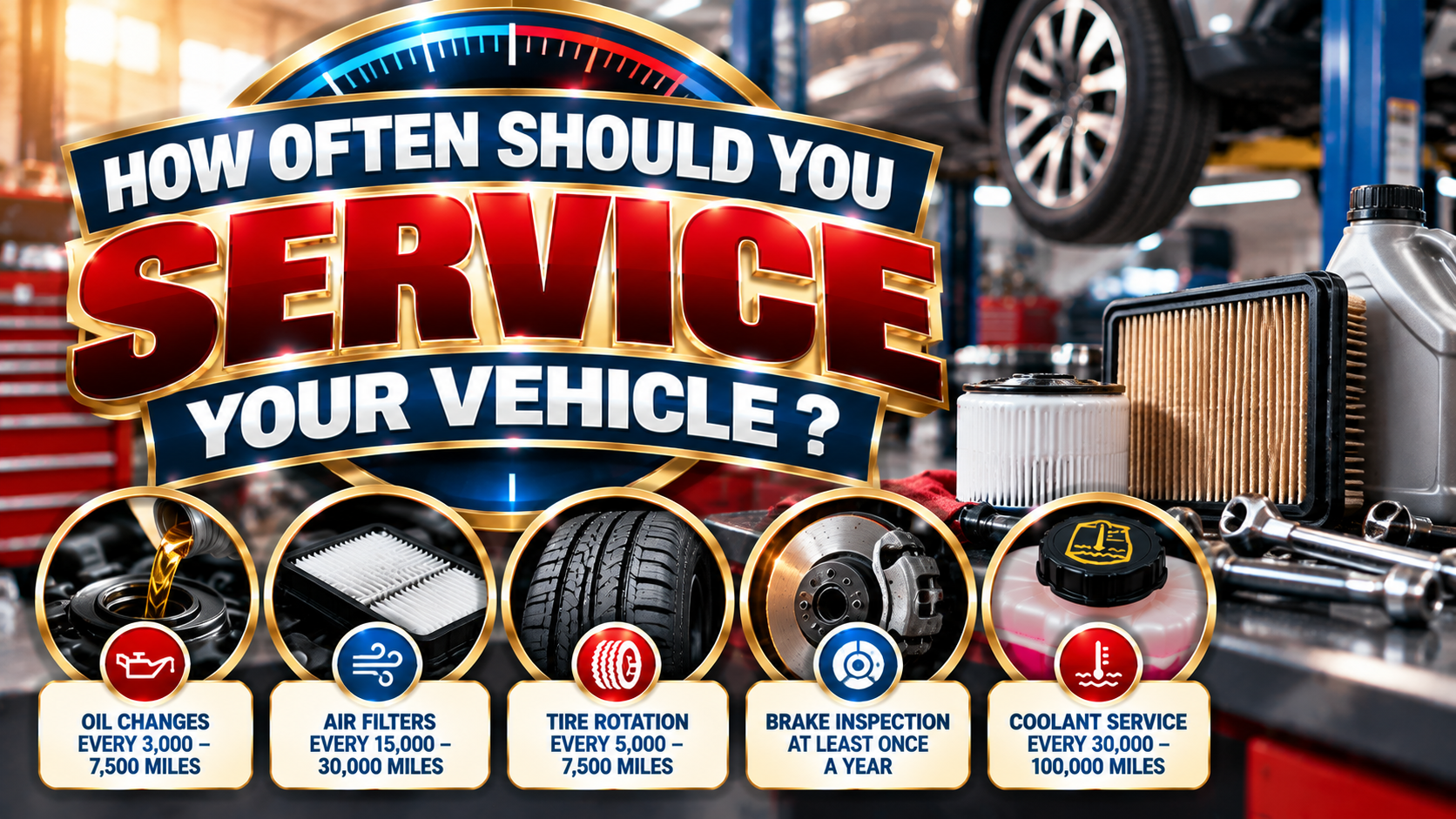
How Often Should a High-Mileage Vehicle Be Serviced?
There is no single maintenance schedule that applies to every high-mileage vehicle. The appropriate intervals depend on your vehicle’s make, model, age, driving conditions, and maintenance history.
The following table provides general inspection and maintenance guidance. Always follow your manufacturer’s recommendations when they differ.
| Maintenance Service | General Recommendation |
|---|---|
| Engine Oil & Filter | Follow manufacturer intervals; check oil level regularly |
| Tire Pressure | Monthly and before long trips |
| Tire Rotation | Often every 5,000–8,000 miles, depending on manufacturer guidance |
| Brake Inspection | At routine service visits or when symptoms appear |
| Battery Testing | Periodically, especially as the battery ages |
| Cooling System | Inspect regularly; replace coolant at manufacturer intervals |
| Transmission Fluid | Follow vehicle-specific service requirements |
| Belts & Hoses | Inspect during routine maintenance |
| Spark Plugs | Replace according to manufacturer specifications |
| Wheel Alignment | Check when uneven tire wear or handling symptoms appear |
| Comprehensive Inspection | At least annually, or more frequently based on condition and use |
For vehicles with substantial mileage or an incomplete maintenance history, an experienced technician can help develop a practical maintenance plan.
Is It Worth Maintaining a Car with Over 150,000 Miles?
Absolutely—depending on the vehicle’s overall condition.
A vehicle with 150,000 or even 200,000 miles may still have many miles of useful service ahead of it when properly maintained.
Before deciding whether to repair or replace an older vehicle, consider:
- Its overall mechanical condition
- The cost of necessary repairs
- Its maintenance history
- The condition of the engine and transmission
- The presence of significant rust or structural damage
- Your vehicle’s reliability and safety needs
- The cost of replacing it with another vehicle
Preventive maintenance is often more affordable than dealing with major mechanical failures, but some older vehicles may require repairs that exceed their practical value.
A professional inspection can help you make an informed decision.
Why Preventive Maintenance Matters for Watkinsville, GA Drivers
Drivers throughout Watkinsville, Oconee County, and surrounding Northeast Georgia communities rely on their vehicles for daily commuting, family activities, errands, and longer trips.
Georgia’s summer heat, seasonal temperature changes, stop-and-go traffic, and everyday driving conditions can place additional demands on aging vehicle components.
Routine preventive maintenance can help:
- Reduce the risk of unexpected breakdowns
- Extend vehicle service life
- Maintain reliable engine performance
- Support fuel efficiency
- Improve driving safety
- Identify problems before they become more expensive
- Provide greater confidence during daily travel
Whether you drive a high-mileage sedan, pickup truck, SUV, or family vehicle, maintaining it properly can make a meaningful difference in its reliability.
Trust Car Craft of Watkinsville for High-Mileage Vehicle Maintenance
At Car Craft of Watkinsville, we believe that keeping your vehicle running reliably starts with honest recommendations, careful inspections, and quality automotive service.
Our team helps drivers in Watkinsville, Oconee County, and surrounding communities address maintenance concerns and make informed decisions about their vehicles.
From routine oil changes and brake inspections to engine diagnostics, cooling system repairs, battery testing, and other automotive services, we’re here to help you care for your vehicle as it ages.
We understand that not every high-mileage vehicle needs major repairs. Our goal is to help identify what your vehicle actually needs and recommend appropriate maintenance based on its condition.
Keep Your High-Mileage Vehicle Running Strong
Don’t wait until a small maintenance issue turns into an unexpected breakdown.
Whether your vehicle has recently passed 100,000 miles or has been reliably serving you for years, preventive maintenance can help protect your investment and keep you safely on the road.
Contact Car Craft of Watkinsville today to schedule your next maintenance service or vehicle inspection.
Let our experienced automotive team help you get the most out of every mile.