What to Check Before a Long Road Trip: Your Complete Vehicle Safety Checklist
Get Road-Trip Ready with Preventive Auto Maintenance from Car Craft of Watkinsville, GA
Planning a long road trip can be exciting, whether you’re heading to the Georgia mountains, visiting family, spending a weekend at the beach, or traveling across several states. But before you pack your bags and hit the highway, there’s one important thing you shouldn’t overlook: your vehicle’s condition.
Long-distance driving places continuous demands on your engine, tires, brakes, cooling system, and other essential components. A mechanical problem that goes unnoticed during short daily trips can quickly become a major inconvenience hundreds of miles from home.
The good news is that many common road-trip problems can be identified through proper vehicle maintenance and inspections before you leave.
At Car Craft of Watkinsville, we believe preparing your vehicle for a road trip is one of the smartest ways to help prevent unexpected breakdowns, improve safety, and enjoy greater peace of mind while traveling.
Whether you’re leaving from Watkinsville, Oconee County, or another Northeast Georgia community, this comprehensive road-trip vehicle checklist will help you understand what to inspect before your next adventure.
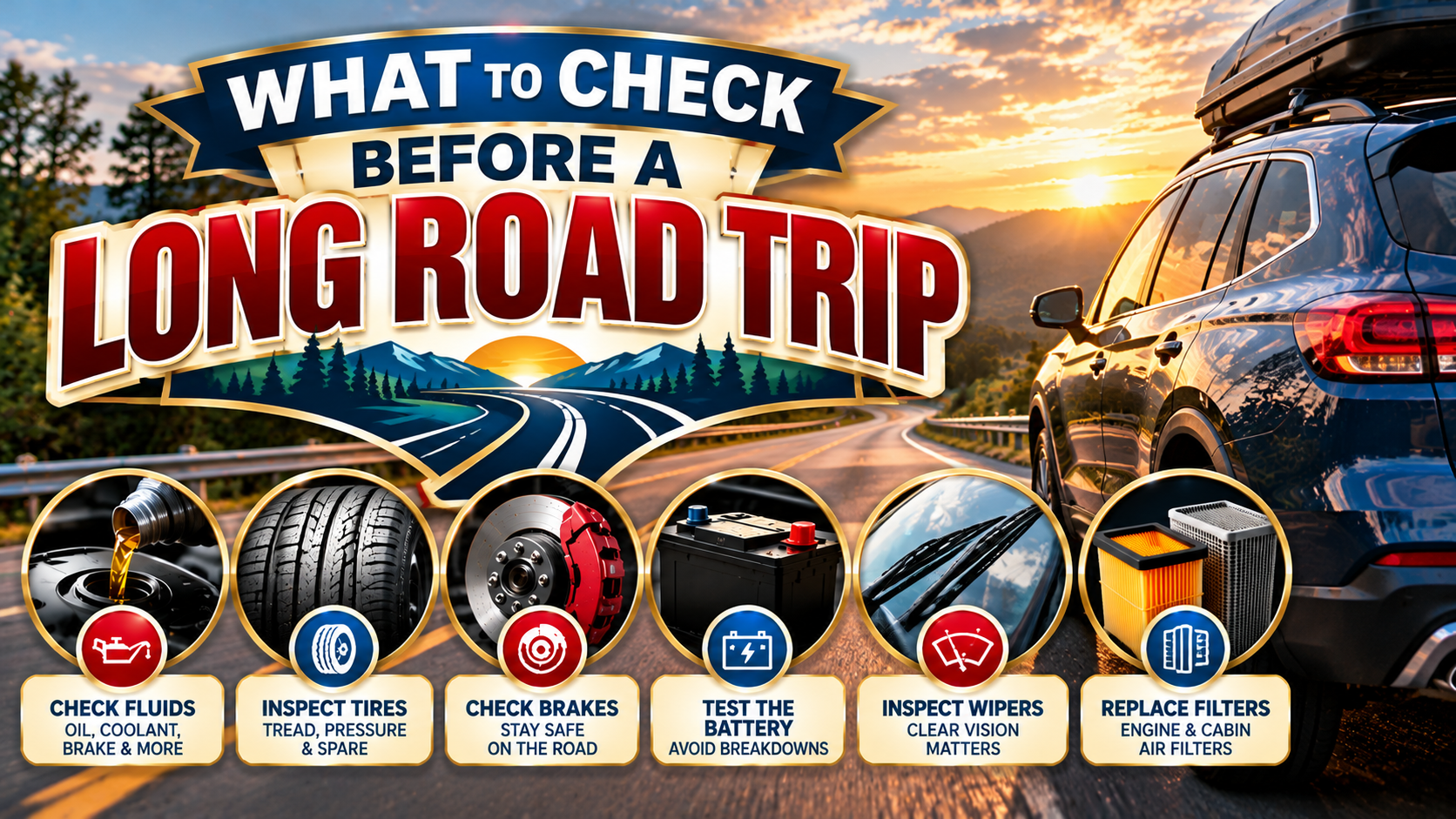
1. Check Your Tires and Tire Pressure
Your tires are among the most important components to inspect before a long road trip.
Proper tire maintenance helps support vehicle handling, traction, braking, and fuel efficiency.
Driving long distances on underinflated, damaged, or excessively worn tires can increase the risk of tire failure.
What to Check
- Tire pressure
- Tread depth
- Uneven tire wear
- Sidewall cracks or bulges
- Embedded objects
- Tire age and overall condition
- Spare tire condition, if equipped
Check Tire Pressure When Tires Are Cold
Use the recommended cold tire pressure listed on the driver’s door placard or in your owner’s manual.
Do not use the maximum pressure printed on the tire sidewall as your normal inflation target.
Remember to check the spare tire if your vehicle has one.
Road-Trip Tip: Check tire pressure before loading the vehicle and review the manufacturer’s recommendations for carrying additional passengers or luggage.
2. Inspect Your Braking System
Your brakes are essential for safe highway travel, mountain driving, and unexpected traffic conditions.
Before a long trip, pay attention to any changes in braking performance.
Warning Signs of Brake Problems
- Squealing or grinding noises
- Steering wheel vibration when braking
- Soft or spongy brake pedal
- Vehicle pulling during braking
- Increased stopping distances
- Brake warning lights
A professional brake inspection can evaluate the condition of brake pads, rotors, calipers, and other components.
If your brakes are making unusual noises or performing differently, have them inspected before leaving.
3. Check Engine Oil and Other Important Fluids
Your vehicle relies on several fluids to lubricate components, regulate temperatures, and operate important systems.
Low fluid levels or leaks can contribute to mechanical problems during long-distance driving.
Important Fluids to Check
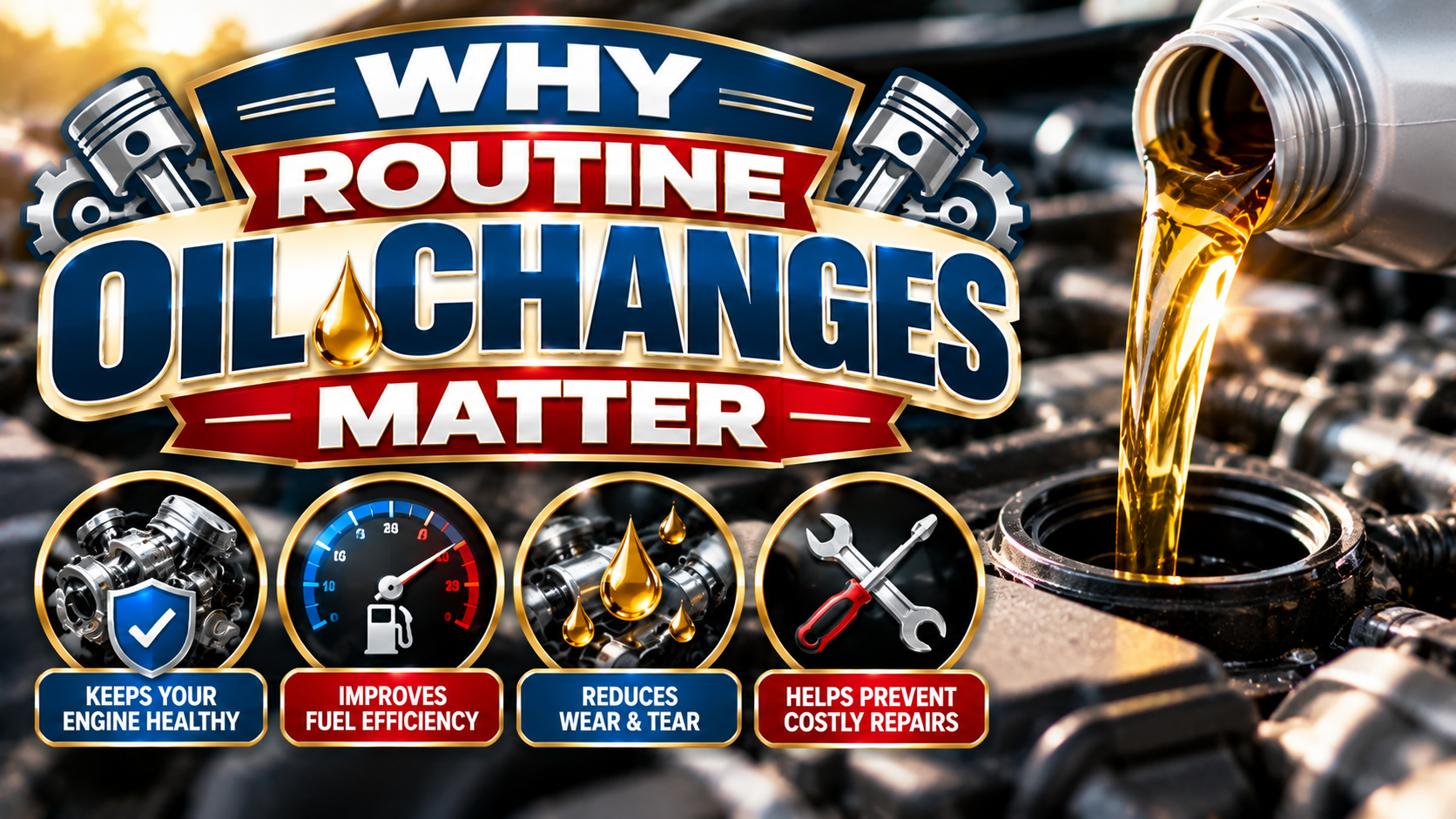
Engine Oil: Verify the oil level and determine whether an oil change is due before your trip.
Engine Coolant: Check the coolant reservoir when the engine is cool and look for signs of leaks.
Brake Fluid: Have the fluid level and condition evaluated according to manufacturer recommendations.
Transmission Fluid: Follow your vehicle’s specified inspection and service procedures.
Power Steering Fluid: Check if your vehicle uses a hydraulic power steering system.
Windshield Washer Fluid: Fill the reservoir before traveling.
Some modern vehicles have sealed systems or electronic fluid monitoring, so always follow the manufacturer’s instructions.
Important: Never open a radiator or coolant pressure cap while the engine is hot.
4. Make Sure Your Battery Is in Good Condition
A weak battery can leave you stranded at a gas station, rest stop, or hotel parking lot.
Battery performance may deteriorate gradually, and hot Georgia weather can accelerate battery aging.
Signs Your Battery May Need Attention
- Slow engine cranking
- Clicking when starting
- Dim headlights
- Corrosion around battery terminals
- Electrical problems
- Battery or charging system warning lights
If your battery is several years old or has shown signs of weakness, have it professionally tested before your trip.
A charging system inspection can also help identify alternator-related problems.
5. Inspect Your Cooling System
Long-distance highway driving and Georgia’s hot summer temperatures can place additional demands on your vehicle’s cooling system.
The cooling system helps maintain normal engine operating temperatures and prevent overheating.
Important Cooling System Components
- Radiator
- Water pump
- Thermostat
- Cooling fans
- Radiator hoses
- Coolant reservoir
- Pressure cap
Signs of Cooling System Problems
- Rising temperature gauge
- Coolant leaks
- Sweet-smelling odors
- Frequent coolant loss
- Steam coming from under the hood
- Overheating warning lights
If your vehicle has experienced overheating or unexplained coolant loss, have the problem diagnosed before traveling.
An overheating engine can suffer serious damage if driven without proper cooling.
6. Test Your Air Conditioning System
A properly functioning air conditioning system is especially important when traveling during Georgia’s hot and humid months.
If your AC is struggling during short trips around town, it may become even more uncomfortable during several hours on the highway.
Signs Your AC Needs Attention
- Warm air coming from vents
- Weak airflow
- Unusual noises
- Inconsistent cooling
- Musty odors
- Reduced cooling while idling
Have AC performance problems diagnosed before your trip.
Also check your cabin air filter if airflow is noticeably restricted or replacement is due.
7. Check Your Windshield Wipers and Washer Fluid
Clear visibility is essential for safe driving, particularly during sudden Georgia thunderstorms.
Worn windshield wipers can leave streaks, skip across the glass, or fail to remove water effectively.
Windshield Wiper Checklist
- Inspect wiper blades for cracking.
- Test wipers for streaking.
- Check windshield washer operation.
- Fill the washer fluid reservoir.
- Clean the windshield inside and out.
- Check rear wipers if equipped.
Replace worn wiper blades before leaving rather than waiting until you encounter heavy rain.
8. Test All Exterior Lights
Your vehicle’s lighting system helps you see the road and allows other drivers to see you.
Before traveling, check all exterior lights.
Lights to Inspect
- Low-beam headlights
- High-beam headlights
- Brake lights
- Turn signals
- Hazard lights
- Tail lights
- Reverse lights
- License plate lights
- Fog lights, if equipped
Replace malfunctioning bulbs or repair lighting problems before your trip.
Proper lighting is particularly important when driving at night or through heavy rain.
9. Inspect Belts and Hoses
Belts and hoses are essential to the operation of many vehicle systems.
A failed belt or burst coolant hose can cause an unexpected breakdown.
Warning Signs of Belt and Hose Problems
- Cracked or frayed belts
- Squealing noises
- Coolant leaks
- Swollen or deteriorated hoses
- Visible hose damage
- Unusual charging system warnings
Some modern belts do not show obvious cracking before reaching the end of their service life.
A professional inspection can help identify components that need replacement.
10. Check Your Steering and Suspension
Long road trips often involve highway speeds, curves, uneven pavement, and changing road conditions.
Your steering and suspension systems help maintain vehicle stability and predictable handling.
Signs of Steering or Suspension Problems
- Vehicle pulling to one side
- Steering wheel vibration
- Excessive bouncing
- Clunking over bumps
- Uneven tire wear
- Loose steering
- Crooked steering wheel
If you notice these symptoms, have your vehicle inspected before traveling.
A wheel alignment may be appropriate when alignment problems are identified.
11. Inspect Your Exhaust System
Your exhaust system directs engine exhaust gases away from the vehicle and helps control emissions and noise.
Damaged exhaust components can create performance problems and potentially allow dangerous gases to enter the passenger compartment.
Signs of Exhaust Problems
- Unusually loud engine or exhaust noise
- Rattling beneath the vehicle
- Exhaust odors inside the cabin
- Visible exhaust damage
- Check engine light
Safety Warning: If you smell exhaust fumes inside your vehicle, stop driving when safe and arrange an inspection. Carbon monoxide is dangerous and may be present without a noticeable odor.
12. Check Dashboard Warning Lights
Before starting a long road trip, make sure your vehicle is not displaying unresolved warning lights.
Important warning lights include:
- Check engine light
- Oil pressure warning
- Engine temperature warning
- Battery warning
- Brake system warning
- Tire pressure warning
- ABS warning
Some warnings require immediate attention.
A low oil pressure warning or severe overheating warning should never be ignored.
If a warning light remains illuminated, have the issue diagnosed before leaving.
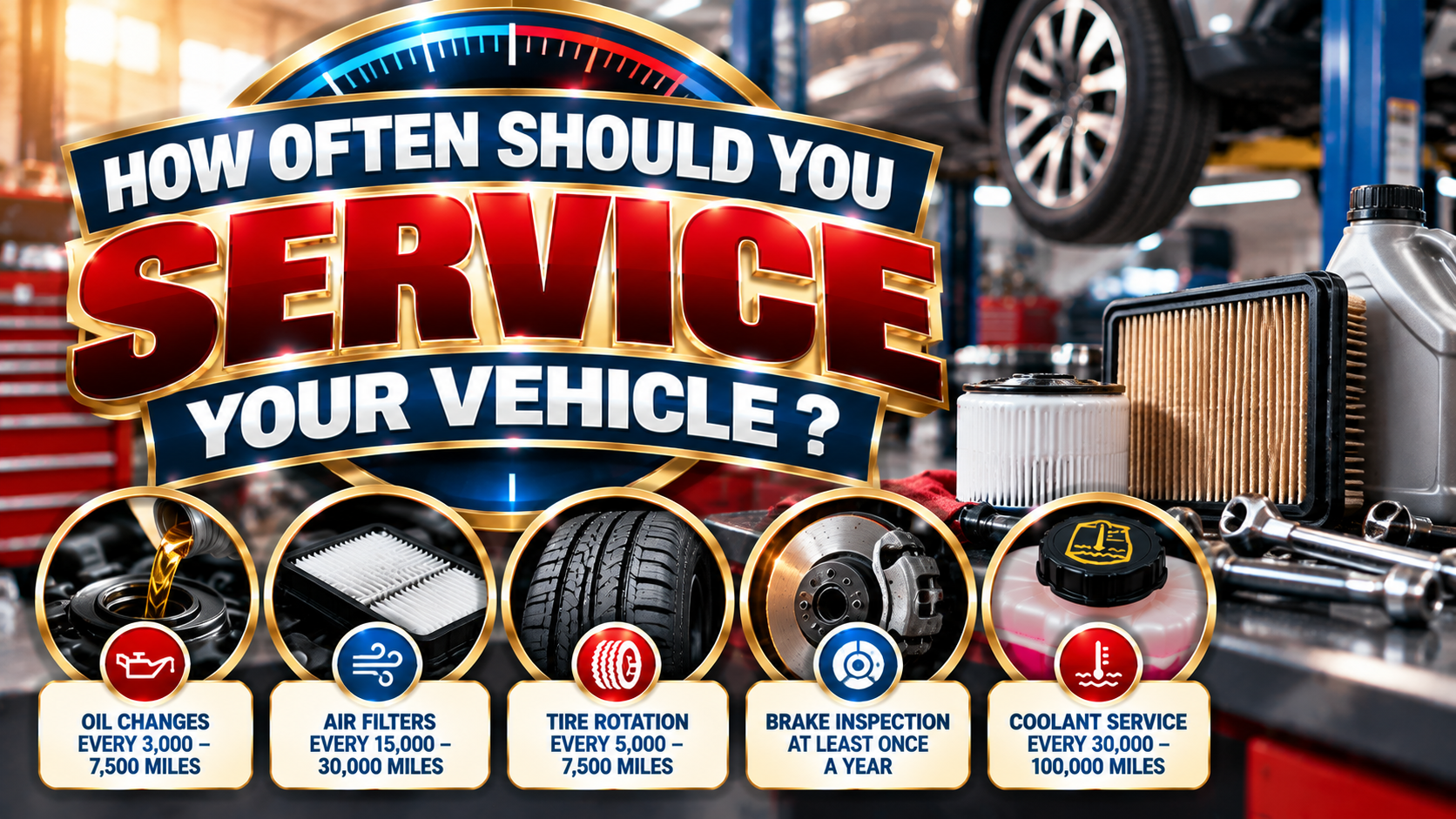
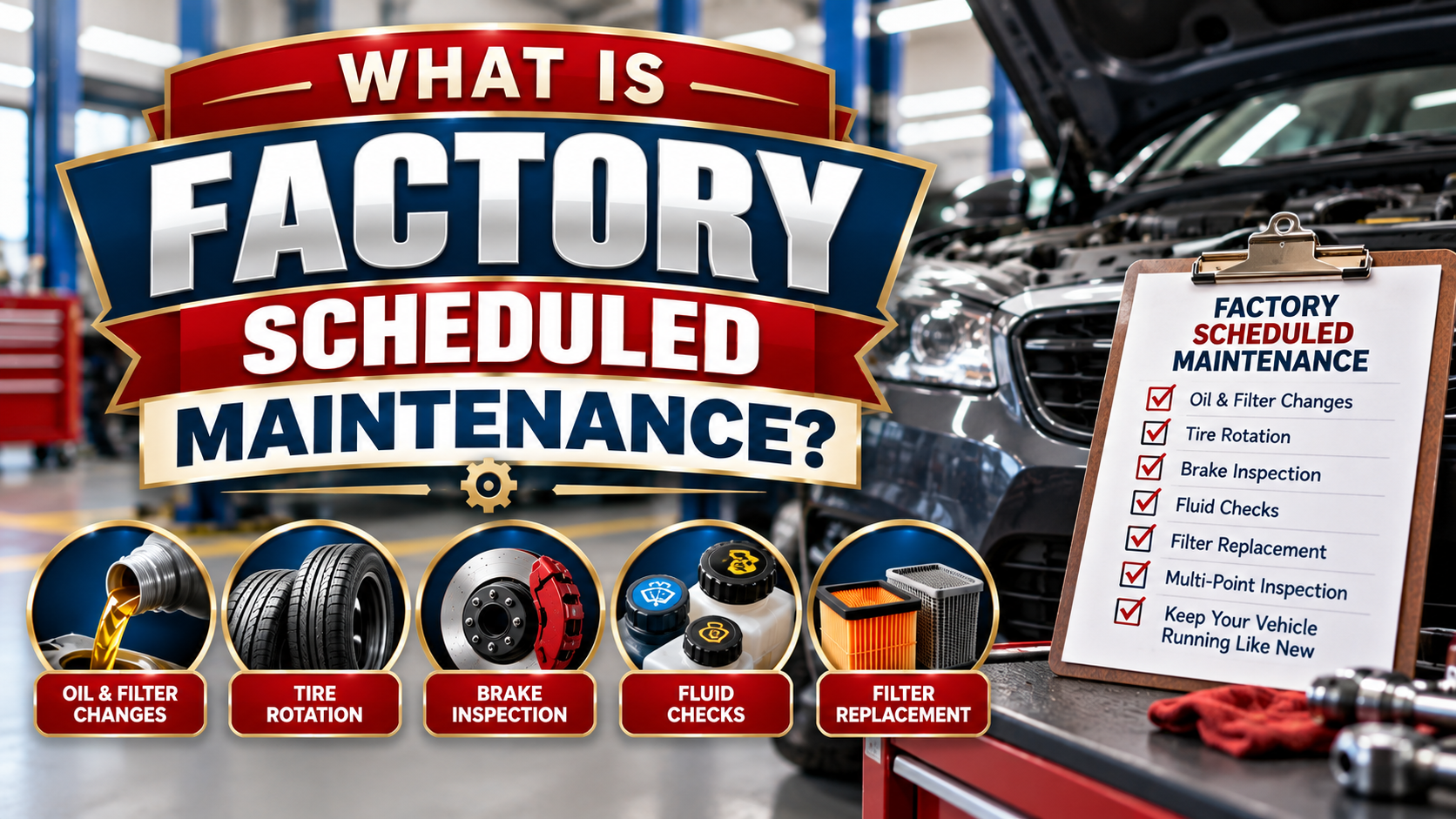
13. Review Your Vehicle’s Maintenance Schedule
Long trips can add hundreds or thousands of miles to your odometer.
Before traveling, review your vehicle’s manufacturer-recommended maintenance schedule.
Services That May Be Due
- Oil and filter change
- Tire rotation
- Brake inspection
- Air filter replacement
- Transmission service
- Coolant replacement
- Spark plug replacement
- Belt replacement
- Other scheduled maintenance
If your vehicle will reach a maintenance milestone during your trip, consider scheduling the service before departure.
Professional Tip: Avoid waiting until the day before a long trip to perform major maintenance or repairs. Scheduling service earlier allows time to address any additional issues that are discovered.
14. Inspect Your Spare Tire and Emergency Tools
A flat tire is inconvenient anywhere, but it can be especially stressful when traveling far from home.
Before leaving, check whether your vehicle has a spare tire, tire repair kit, or another manufacturer-provided solution.
Emergency Tire Equipment Checklist
- Spare tire, if equipped
- Properly inflated spare
- Jack
- Lug wrench
- Wheel lock key, if applicable
- Tire repair kit, if supplied
- Portable tire inflator, if appropriate
Make sure you understand how to use your vehicle’s equipment.
Some newer vehicles do not include spare tires, so it’s important to know your options before a roadside emergency.
15. Pack a Roadside Emergency Kit
Even well-maintained vehicles can experience unexpected problems.
Keeping an emergency kit in your vehicle can help you handle minor situations and stay safer while waiting for assistance.
Recommended Roadside Emergency Supplies
- First aid kit
- Flashlight
- Reflective warning triangles
- Phone charger
- Jumper cables or suitable jump starter
- Bottled water
- Basic emergency supplies
- Tire pressure gauge
- Work gloves
- Emergency contact information
- Roadside assistance details
If you’re traveling with children, pets, or passengers with special needs, pack appropriate additional supplies.
16. Check Your Vehicle’s Load Capacity
Packing for a family vacation can add substantial weight to your vehicle.
Exceeding the manufacturer’s load limits can affect braking, handling, tires, and suspension performance.
Before Loading Your Vehicle
- Check the vehicle’s payload capacity.
- Distribute luggage securely.
- Avoid blocking rear visibility.
- Secure loose objects.
- Follow roof rack weight limits.
- Check tire inflation guidance for loaded driving.
- Avoid exceeding towing capacity.
A properly loaded vehicle is easier to control and places less unnecessary stress on important components.
17. Plan Your Route and Fuel Stops
Vehicle preparation is only one part of a successful road trip.
Planning your route can help reduce unnecessary stress and avoid unexpected delays.
Road-Trip Planning Tips
- Review your route before leaving.
- Identify convenient fuel stops.
- Check for road closures and construction.
- Plan rest breaks.
- Monitor weather forecasts.
- Keep your phone charged.
- Download maps for areas with limited reception.
If you’re driving through mountainous areas, consider how steep grades may affect your vehicle’s brakes and engine load.
Complete Pre-Road-Trip Vehicle Checklist
Use this checklist before your next long-distance drive.
Tires and Wheels
-
Check tire pressure.
-
Inspect tire tread.
-
Look for cracks, bulges, or damage.
-
Inspect the spare tire, if equipped.
-
Check for uneven tire wear.
Engine and Fluids
-
Check engine oil level.
-
Review oil change schedule.
-
Check coolant level when cool.
-
Look for fluid leaks.
-
Check windshield washer fluid.
-
Review other manufacturer-specified fluid services.
Brakes and Suspension
-
Check for brake noises.
-
Inspect brake performance.
-
Check for steering vibrations.
-
Watch for excessive bouncing.
-
Address alignment concerns.
Battery and Electrical System
-
Test battery condition if needed.
-
Inspect battery terminals.
-
Check headlights.
-
Test brake lights and turn signals.
-
Check dashboard warning lights.
Comfort and Visibility
-
Test air conditioning.
-
Inspect windshield wipers.
-
Clean windows and mirrors.
-
Check cabin air filter if needed.
Emergency Preparation
-
Pack a roadside emergency kit.
-
Verify roadside assistance information.
-
Charge your phone.
-
Check spare tire or repair equipment.
-
Plan fuel and rest stops.
How Far in Advance Should You Have Your Car Inspected Before a Road Trip?
Scheduling a vehicle inspection approximately one to two weeks before a long road trip is a practical approach.
This gives you time to address any maintenance or repair concerns before departure.
For older vehicles, high-mileage vehicles, or vehicles with known mechanical problems, consider scheduling even earlier.
A professional inspection may help identify:
- Worn tires
- Brake problems
- Cooling system leaks
- Weak batteries
- Damaged belts and hoses
- Steering and suspension concerns
- Overdue maintenance
The goal is to identify potential problems before they interrupt your travel plans.
Should You Get an Oil Change Before a Road Trip?
An oil change may be appropriate if your vehicle is approaching its manufacturer-recommended service interval.
However, an oil change is not automatically necessary before every road trip.
Review your vehicle’s maintenance schedule and consider how many miles you expect to drive.
If the oil change will become due during your trip, completing it beforehand may be convenient.
Always use the correct engine oil specification recommended by your vehicle’s manufacturer.
Is It Safe to Take a High-Mileage Car on a Long Road Trip?
Yes, a high-mileage vehicle can be suitable for long-distance travel if it is properly maintained and in good mechanical condition.
Mileage alone does not determine whether a vehicle is reliable.
Important considerations include:
- Maintenance history
- Tire condition
- Brake performance
- Cooling system condition
- Battery health
- Fluid leaks
- Engine and transmission operation
- Unresolved warning lights
A well-maintained vehicle with 150,000 miles may be more road-trip ready than a lower-mileage vehicle with neglected maintenance.
A professional inspection can help you make an informed decision.
Why Road-Trip Maintenance Matters for Watkinsville, GA Drivers
Drivers throughout Watkinsville, Oconee County, Bishop, Bogart, and surrounding Northeast Georgia communities often travel for vacations, family visits, business, and weekend getaways.
Whether your destination is Atlanta, the North Georgia mountains, the Georgia coast, or another state, dependable transportation is essential.
Georgia driving conditions can also create additional maintenance considerations.
Hot Summer Temperatures
High temperatures increase demands on cooling systems, batteries, and air conditioning components.
Sudden Thunderstorms
Heavy rain makes tire traction, windshield wipers, brakes, and proper lighting especially important.
Highway Driving
Long periods of highway travel require dependable tires, proper fluid levels, and reliable mechanical systems.
Mountain Roads
Steep grades and winding roads can place additional demands on braking and cooling systems.
Preparing your vehicle before departure can help reduce the risk of unexpected problems.
Professional Pre-Road-Trip Vehicle Inspections in Watkinsville, GA
A professional vehicle inspection can help identify maintenance needs and mechanical concerns before you leave town.
Depending on the vehicle and inspection requested, a technician may evaluate:
- Tires and wheels
- Brake components
- Battery and charging system
- Engine oil and fluid levels
- Cooling system
- Belts and hoses
- Steering and suspension
- Exterior lighting
- Windshield wipers
- Visible leaks
- Dashboard warning lights
If problems are found, your technician can explain which items require immediate attention and which maintenance services can be planned for a later date.
Get Road-Trip Ready with Car Craft of Watkinsville
At Car Craft of Watkinsville, we know how important reliable transportation is when you’re traveling away from home.
Our family-owned automotive repair shop is committed to helping drivers throughout Watkinsville, Oconee County, and surrounding Northeast Georgia communities keep their vehicles safe and dependable.
Our experienced, ASE-certified technicians provide a variety of automotive maintenance and repair services, including:
- Oil Change Services
- Brake Repair
- Battery Testing & Replacement
- Cooling System Repair
- Coolant Flush Services
- Tire Rotation & Balancing
- Wheel Alignment
- Diagnostic Services
- Car AC Repair
- Vehicle Safety Inspections
We believe in honest recommendations, upfront estimates, clear communication, and quality workmanship.
Our goal is to help you understand your vehicle’s condition and make informed maintenance decisions before your next road trip.
Schedule Your Vehicle Inspection Before You Hit the Road
Don’t let an unexpected mechanical problem interrupt your vacation or leave you stranded far from home.
Checking your tires, brakes, fluids, battery, cooling system, and other essential components before departure can help reduce the risk of breakdowns.
Contact Car Craft of Watkinsville today to schedule a vehicle inspection or preventive maintenance appointment before your next long road trip.
Let our experienced automotive team help you travel with greater confidence and peace of mind.